
How Crypto Trading Works in Nigeria
📈 Explore crypto trading basics in Nigeria—learn how markets work, manage risks, follow regulations, and pick top local platforms for smooth trading in ₦.
Edited By
Liam Bennett
Cryptocurrency trading has steadily gained traction in Nigeria, becoming a popular alternative investment and income source. But starting out can feel like navigating Lagos traffic on a rainy day—confusing and fraught with pitfalls. This guide aims to simplify crypto trading by outlining practical steps tailored for Nigerians, considering local hurdles like naira fluctuations and inconsistent power supply.
First, understand that crypto trading involves buying and selling digital currencies such as Bitcoin, Ethereum, and local stablecoins. Unlike traditional stock markets, crypto operates 24/7, with relentless price swings that can either fatten your wallet or drain it fast. Getting a grip on this volatility is key to trading smart.
Setting up a digital wallet comes first—it’s like opening a bank account but for crypto. Wallets store your assets securely and come in various forms: mobile apps, hardware devices, or web-based platforms. For Nigerians, wallets compatible with local payment options and exchanges are ideal. For example, Trust Wallet and Binance Wallet support NGN deposits through platforms like Binance or Luno.
Next, choose a reputable trading platform. Look for exchanges with strong security, reasonable fees, and good liquidity. Publicly known names such as Binance, Luno, and Quidax are popular with Nigerian traders. Bear in mind, some exchanges allow direct NGN deposits, easing fund transfers amid naira volatility.
Managing risk is critical. Start small, use stop-loss orders, and don’t put all your ₦500,000 or more into one coin just because it’s trending. Volatility can wipe out gains quickly, especially during ember months when trading activity surges.
Trading strategies vary depending on your goals. Day trading requires monitoring the market closely, hunting for short-term price moves. Swing trading focuses on mid-term shifts over days or weeks. Fundamental analysis involves assessing a coin’s underlying technology and market relevance.
In Nigeria, power outages and internet stability often disrupt trading. Having a backup power source like a generator or UPS and reliable data plans can help you stay connected and react promptly to price changes.
To sum up, starting crypto trading calls for a clear plan: secure a digital wallet, pick a trustworthy platform, understand your risk appetite, be mindful of local market quirks, and keep your system ready for constant market shifts. With this foundation, trading crypto in Nigeria becomes less daunting and more rewarding.
Starting crypto trading in Nigeria means tapping into a financial avenue that is growing fast despite local challenges like naira volatility and regulatory shifts. Understanding the basics helps you avoid costly mistakes and positions you well to benefit from the market’s upsides. This section breaks down key concepts, practical steps, and the must-have tools to enter crypto trading confidently.
Cryptocurrency is digital money secured by cryptography, making it tough to counterfeit or double-spend. In Nigeria, it has gained traction because it offers a way to protect wealth against the raging naira depreciation. Unlike traditional banks, crypto allows peer-to-peer transactions without intermediaries, reducing delays and costs. For example, traders can send bitcoin or ethereum directly to friends or business partners locally or internationally without waiting days for bank clearance.
Digital wallets hold your cryptocurrencies, but not all wallets are the same. Hot wallets connect to the internet, like apps on your phone or browser extensions, making them convenient for everyday trading and quick transfers. However, their constant online presence makes them more vulnerable to hacking. Meanwhile, cold wallets store your crypto offline on hardware devices or even paper, shielding your assets from online threats. For instance, a trader might keep a small amount on a hot wallet for regular deals and store the bulk in a cold wallet for long-term safety.
Nigerian traders often gravitate towards wallets that are easy to use and supported by local exchanges. Trust Wallet and MetaMask are common hot wallets because of their user-friendly interfaces and support for multiple tokens. For cold storage, Ledger and Trezor remain trusted options due to their global reputation and security features. Selecting wallets with good community support and regular updates is vital since this reduces risks linked to glitches or cyberattacks.
Choosing a trustworthy exchange is key to smooth trading. Binance, Luno, and Quidax are leading platforms Nigerians use because they support naira deposits and withdrawals, often through bank transfers or USSD codes. These exchanges offer wide cryptocurrency options and provide liquidity that ensures you get fair prices when buying or selling. For instance, Binance is popular for its vast trading pairs and tools adapted for novices and pros alike.
Most exchanges require identity verification (KYC) before you can trade with real money. This often involves submitting your National Identification Number (NIN), government-issued ID, and passport-style photos. Although it may seem tedious, this process protects you against fraud and helps exchanges comply with Nigeria’s regulatory standards. Once verified, you can fund your account via local payment methods and start trading quickly.
Getting the foundations right by understanding crypto, securing your wallet, and choosing the right exchange will save you headaches and protect your investments as you navigate Nigeria’s crypto market.
Understanding the basics of crypto trading is essential for Nigerians looking to join this growing market. Knowing how crypto trading functions and the strategies involved helps you avoid costly mistakes and increases your chances of earning profit. This section breaks down how crypto trading works and introduces common strategies traders use to make sound decisions.
Spot trading is the most straightforward form of crypto trading, where you buy or sell cryptocurrencies for immediate delivery. When you buy bitcoin or ether on a spot market, you receive the actual coin into your wallet right away. This method is great for those who want to own crypto outright and take advantage of price changes in the short term.
In Nigeria, spot trading is very popular because people can easily convert their naira to crypto and vice versa using local exchanges or P2P platforms. For example, if you expect the price of bitcoin to rise over a few days or weeks, buying on the spot market allows you to profit when you sell at a higher rate.
When trading crypto, it's important to know the types of orders you can place. The two main ones are market orders and limit orders. A market order buys or sells immediately at the current market price, which is ideal when you want fast execution but might pay more due to price swings.
On the other hand, a limit order lets you specify the price at which you want to buy or sell. This helps if you believe the price will hit a certain level before moving up or down. For example, you might set a limit buy order at ₦20 million for bitcoin, and the order only executes if the price drops to that point. This way, you avoid overpaying during volatile periods.
Day trading involves buying and selling cryptocurrencies within the same day to take advantage of short-term price movements. This requires close market monitoring and quick decisions. In Nigeria, active day traders often use mobile apps or desktop platforms to track price charts and news that affect crypto prices.
Swing trading is a bit less hectic. It focuses on price swings over several days or weeks, aiming to catch bigger moves without the pressure of minute-by-minute decisions. Both strategies need discipline and a clear plan to manage risks amid Nigeria's market volatility.
HODL means holding cryptocurrencies for a long time despite price fluctuations. This suits Nigerians who believe in crypto's growth over years rather than quick profits. For example, holding bitcoin since early 2020 would have yielded a sizeable gain by 2024.
Long-term holding reduces stress from daily price swings and avoids costly trading fees. However, you also need patience and belief in the crypto project's future to stick through downturns.
Technical analysis helps traders predict price movements by studying charts, volume, and historical data. Basic indicators like moving averages or the Relative Strength Index (RSI) can guide when to buy or sell.
For Nigerian traders, learning simple chart reading can improve trading outcomes significantly. Suppose bitcoin repeatedly bounces back at a certain price level – recognising this support level allows you to plan entry points more confidently.
Grasping crypto trading basics, including how orders work and choosing suitable strategies, is vital to navigate Nigeria's vibrant but volatile crypto market with more confidence and less risk.
In Nigeria's fast-evolving crypto market, managing risks and security is not just advisable — it's essential. Investors can easily lose funds to scams or poor security if they aren't careful. Understanding these risks and adopting strong safeguards will protect your investments and help you trade with confidence.
Recognising scams and frauds is one key to keeping your crypto safe. Scammers often promise unrealistically high returns or impersonate established exchanges and wallets. For example, fake Nigerian crypto trading groups sometimes ask for upfront payment before vanishing. Be suspicious of unsolicited messages or investment offers, and always verify platforms via official channels. Remember, no legitimate exchange or wallet provider will ask for your private keys or passwords.
Securing wallets and accounts comes next. Your crypto wallet is like your bank vault; if compromised, it’s almost impossible to recover lost funds. Use wallets that offer strong two-factor authentication (2FA). Hardware wallets or cold wallets provide extra protection since they’re offline. Be sure to keep backup seed phrases safely stored offline—never share them digitally. For mobile or web wallets popular among Nigerians, like Trust Wallet or Binance, regularly update the app and avoid public Wi-Fi when accessing funds.
The Nigerian naira often fluctuates sharply, and this impacts crypto trading in two major ways. First, frequent naira volatility affects the local value of your crypto holdings when converted back to naira. Even when the crypto price remains stable, the exchange rate can cause big swings in your portfolio’s local worth. Second, some Nigerians use crypto to hedge against naira depreciation, but this strategy carries risks if crypto prices also drop.
To cope with these unpredictable swings, traders should adopt clear strategies to manage price volatility. One practical approach is to avoid panic selling during market dips; instead, set stop-loss orders to automatically limit losses. Diversifying your crypto portfolio also reduces exposure to a single asset’s price crash. Additionally, reviewing the market at specified intervals rather than every minute prevents rash decisions driven by short-term noise. Ultimately, understanding volatility helps you plan trades that aren’t derailed by sudden naira or crypto price moves.
Managing risks and securing your crypto is like putting on your seatbelt before a drive — it may seem routine, but it saves you from costly accidents down the road.
By being aware of scams, securing your digital wallets, and preparing for market swings, you’ll build a safer, smarter foundation for your crypto trading activities in Nigeria.
Practical tips are essential for Nigerian crypto traders because they translate theory into real, actionable steps. With the unique challenges Nigeria faces—from naira fluctuations to power outages—knowing these tips can protect your investments and improve your trading success. Real examples like using local payment methods or handling internet disruptions daily show how these details matter. By focusing on practical tactics, traders can avoid common pitfalls and navigate Nigeria's crypto space more confidently.
Local payment methods and USSD options are popular ways to fund crypto accounts because they are convenient for most Nigerians. Banks and fintech platforms like GTBank, Access Bank, and OPay offer USSD codes that let you transfer funds directly without internet access. This is handy if you’re somewhere with unstable data but still want to top up your account quickly. Using these channels often comes with lower fees and faster processing than international transfers.
Using P2P platforms safely is crucial as many Nigerians rely on peer-to-peer trading due to restrictions on direct forex transactions for crypto. Platforms like Binance P2P or LocalBitcoins let you buy or sell cryptocurrencies directly with other users. But you must confirm the buyer or seller's reputation and never release funds before seeing proof of payment. Always use platforms with escrow services to safeguard your trades and avoid scams.
Useful apps and news sources keep you updated on market trends and new opportunities. Apps like CoinMarketCap and Binance have real-time charts and alerts to track your favourite coins. Nigerian crypto news platforms and forums also share insights specific to the local context, such as naira exchange rates or government policies. Staying informed helps you avoid rash decisions and spot decent entry points.
Setting realistic goals means knowing what you can gain without overcommitting. Some traders aim for steady profits from small price moves, while others hold coins for months. Setting clear, achievable profit targets and stop-loss points prevents big losses when the market dips, which is particularly wild in Nigeria because of naira and global crypto volatility.
Backup power solutions for traders can be a lifesaver. Given the frequent outages in many parts of Nigeria, investing in a reliable inverter system or a generator ensures you stay connected when the market moves. Even a power bank with enough capacity to keep your phone or laptop alive during crucial hours can protect your trades from interruption.
Data-saving hacks and connectivity tips are valuable since mobile data can get expensive. Use lite versions of trading apps, switch off auto-play videos, and rely on SMS or USSD alerts for price changes where possible. Connecting through reliable networks like MTN or Airtel with good 4G coverage can reduce downtime. Also, join local internet sharing groups if you live in a community to access cheaper, pooled data plans.
Staying practical with these tips tailors your crypto trading journey to Nigerian realities, helping you trade smarter and safer every day.
📈 Explore crypto trading basics in Nigeria—learn how markets work, manage risks, follow regulations, and pick top local platforms for smooth trading in ₦.
Learn how to trade binary options in Nigeria 🇳🇬 with clear tips on broker selection, platforms, risks, and strategies to help you earn ₦ profit safely in our market.
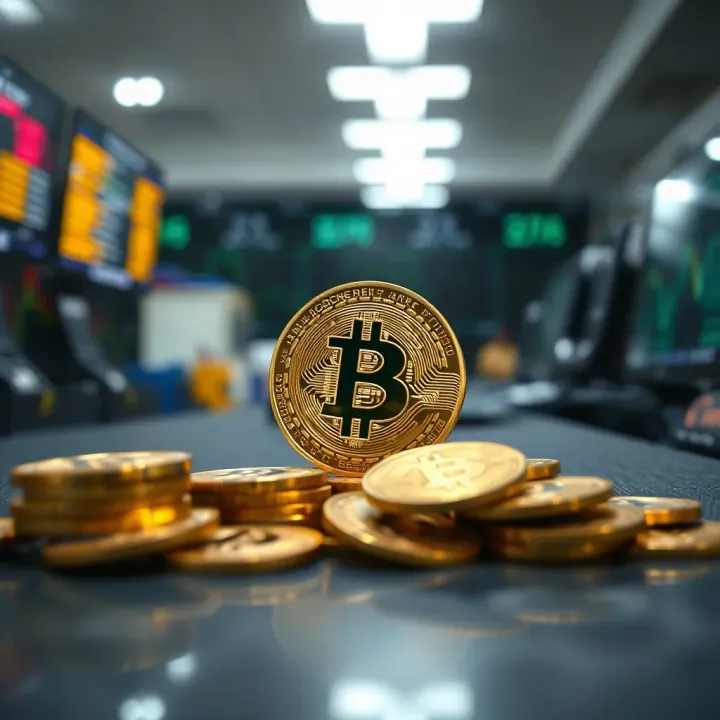
Discover key types of crypto trading in Nigeria 🔍. Learn how each works, benefits, and risks to stay sharp with your ₦ investments in digital currency. 📊💻

Discover how to pick the best crypto trading platform in Nigeria 🇳🇬. Learn about security, fees, payment options, and top platforms right here 🔐💰📊.
Based on 11 reviews