
Best Time for Forex Trading in Nigeria
Discover the best time for forex trading 🕒 in Nigeria 🇳🇬. Learn about key sessions, market activity, and how to boost your trading success 🚀.
Edited By
James Thornton
Forex trading has become a popular avenue for Nigerians looking to grow their income beyond traditional jobs or side hustles. Unlike buying and selling physical goods such as tokunbo cars or setting up a roadside mama put, forex trading involves buying and selling currencies from around the world via online platforms. It offers flexibility and potential for profit if you understand the market and apply smart strategies.
Many Nigerians are drawn to forex trading because it can be started with relatively low capital, sometimes as little as ₦10,000 on local platforms. However, success is not about luck or quick fixes; it requires knowledge of how currency pairs move, disciplined risk management, and a grasp of global economic factors.
While forex trading offers chances to earn, it also comes with risks. Without proper training or adequate discipline, many lose money instead of making profit.
To navigate this, Nigerian traders must first understand key concepts like currency pairs, leverage, and market volatility. For example, trading the USD/NGN pair involves monitoring both global factors affecting the US dollar as well as local economic developments impacting the naira. The Central Bank of Nigeria’s (CBN) policies, political climate, and even fuel scarcity can influence currency trends.
In practice, making money from forex trading involves:
Choosing a reliable broker regulated by the Securities and Exchange Commission (SEC) Nigeria or reputable international bodies.
Starting with small amounts while learning how to read charts, use technical indicators, and place orders.
Applying strategies such as trend following or range trading adapted to Nigerian market conditions.
Managing risk by setting stop-loss levels to limit potential losses and avoiding over-leveraging.
This guide will help you build a practical approach to forex trading tailored to Nigerian realities. We will also highlight common pitfalls and provide tips to keep your trading journey sustainable and profitable despite challenges like naira volatility and power supply issues. Ultimately, mastering forex requires patience, continuous learning, and a focus on long-term growth rather than instant wealth.
Now, let's explore the basics you need to get started the right way.
Getting a clear grasp of what forex trading is and recognising the opportunities it offers is fundamental for anyone keen on making money from this market. In Nigeria, an understanding of forex opens doors to accessing global currency markets from your phone or computer—potentially earning income beyond the local market fluctuations. For instance, traders can profit from the naira’s volatility by selling dollars during favourable rates and buying when the currency strengthens.
Forex trading simply means buying and selling currencies to earn profits from their price changes. It’s the largest financial market worldwide, operating 24 hours a day, allowing Nigerians to trade whenever they want—even late at night after the day job. Unlike owning shares or physical goods, forex trading deals with currencies like the US dollar (USD), euro (EUR), or British pound (GBP).
At its core, forex involves pairs such as EUR/USD or GBP/JPY, where one currency is exchanged against another. When you expect the Nigerian naira to weaken against the dollar, you can sell naira and buy dollars, then reverse the trade later at a better rate, making a profit.
The global forex market handles over $6 trillion daily, dwarfing most other financial markets. Major pairs, such as EUR/USD, USD/JPY, and GBP/USD, dominate trading volumes because they are liquid and have tighter spreads—meaning lower costs for traders. For Nigerians, focusing on these pairs often makes sense due to their volume and responsiveness to global events.
Besides these, pairs involving emerging market currencies like USD/ZAR (South African rand) or USD/NGN do exist but tend to be more volatile and less liquid, which can increase risks. Knowing this helps you select pairs that fit your risk tolerance and trading style.
Accessing the forex market from Nigeria requires an online account with a reputable forex broker. Thankfully, many brokers accept Nigerian clients and provide platforms that support local banking options. For example, brokers like FXTM, XM, and HotForex are popular among Nigerians and often allow account funding via bank transfer, card payments, or USSD codes.
The key is to ensure your broker is regulated and supports naira deposits and withdrawals to make fund management easier and safer. Opening an account typically involves submitting your identification and proof of address, which aligns with Nigerian banking rules.
Among the trading platforms, MetaTrader 4 (MT4) and MetaTrader 5 (MT5) remain widely used due to their user-friendly interface and advanced charting tools. Other platforms like cTrader or proprietary apps from brokers are gaining ground thanks to handy mobile versions—the kind that suit Nigerian traders who might rely more on smartphones than desktops.
Payment methods are a crucial consideration. While international cards work, many brokers now integrate local e-wallets like Opay, PalmPay, and bank USSD codes, making deposits and withdrawals straightforward and affordable. This localised payment integration lets you move money quickly without costly forex charges, which is a big plus when naira exchanges fluctuate.
Understanding these basics—what forex trading involves, the major pairs, and how to practically join from Nigeria—sets the stage for building reliable trading skills and making consistent profits in this market.
Starting well sets the tone for your forex trading journey. For Nigerian traders, setting up your trading environment involves more than just signing up; it means choosing the right broker, creating a suitable account, funding it correctly, and practising with demo tools. These steps build a strong foundation that helps prevent early mistakes and optimise your chances for consistent returns.
Picking a reliable broker is vital. Nigerians should prioritise brokers regulated by reputable authorities like the Financial Conduct Authority (FCA) or the Cyprus Securities and Exchange Commission (CySEC). Many local traders also look for SEC-approved brokers with a clear presence in Nigeria. Regulation offers some protection against fraud and malpractice, especially important since forex scams have targeted many unsuspecting Nigerians in the past. For example, if a broker is regulated by a respected body, you have some recourse if issues arise.
Narrow spreads mean lower trading costs — essential when you're starting with small capital like ₦50,000 or ₦100,000. High leverage might seem tempting, but it increases risk dramatically. A leverage of up to 1:30 or 1:50 suits beginners better compared to 1:200 or beyond. Good customer support that responds quickly via live chat or phone is important, especially if you encounter technical or withdrawal challenges. Remember, slow support can stall your trades and cost you money, particularly during volatile markets.
Most brokers offer different account types—standard, mini, or micro. Beginners should start with micro accounts, which allow you to trade with smaller lot sizes reducing your risk. For example, with a micro account, you can open a position worth 1,000 units, helping you learn without risking too much. Standard accounts require bigger deposits, which may not be practical for first timers.
Funding your forex account should be smooth. Local Nigerian options like bank transfer, USSD codes, or e-wallets (including Opay and PalmPay) make the process easier. USSD payments, in particular, are useful for quick transactions even without internet access. Be wary of excessive fees or delays; some brokers have charges or slow processing for Naira-related deposits or withdrawals. Before funding, confirm the payment options and estimated processing times.
Demo accounts are free and mimic real trading conditions without risking your naira. They let you explore currency pairs and test strategies before going live. Many Nigerian traders skip this step, rushing to actual trading, only to lose money. Using a demo for weeks or even months can teach you how to handle market swings and platform features comfortably.
Getting familiar with charts, indicators, and opening or closing trades on your platform is crucial. For example, understanding candlestick patterns or how to set stop losses protects your funds from unexpected market moves. Practising trade entries and exits on demo accounts helps develop muscle memory so when you start live trading, mistakes reduce and confidence grows.
Setting up right saves you from trouble later. Taking time to pick the right broker, open the correct account, fund smartly, and practise patiently gives you the edge Nigerian forex traders need to succeed.
Trading forex profitably requires more than just luck—it hinges on effective strategies tailored to navigate currency fluctuations. Nigerian traders who grasp these strategies stand better chances to maximise gains while reducing losses. This section breaks down essential methods, helping you make smart decisions based on market behaviour rather than guesswork.
Using charts, indicators, and patterns forms the backbone of technical analysis. Traders study price charts to identify trends and price movements over time. Imagine tracking the naira/dollar exchange rate across several days; spotting repeated highs or lows can hint at future direction. Patterns like 'head and shoulders' or 'double bottom' often signal reversals or continuations, offering entry or exit points for trades.
Indicators amplify this insight by crunching price data into digestible signals. For example, volume or momentum indicators suggest whether a trend is strong or weakening. Technical analysis is practical because it relies on actual market behaviour rather than forecasts, which makes it well-suited for fast-moving forex markets.
Common tools like Moving Averages and Relative Strength Index (RSI) are widely used by traders globally including Nigerians. Moving Averages smooth out price data to reveal trend direction—say, a 50-day average crossing above the 200-day average often signals a bullish market. RSI measures overbought or oversold conditions; values above 70 can warn a currency pair is stretched and might soon correct.
Using these tools together helps traders avoid emotional decisions. For example, if both Moving Averages show upward momentum and RSI is below 70, it confirms strength without extreme overbuying. Practical use of these indicators requires consistent study and patience, but yields clearer entry and exit points.
Economic news and events heavily influence forex rates. Nigerian traders should watch indicators like Nigeria’s inflation rate, Central Bank of Nigeria (CBN) announcements, oil prices, and US economic releases. Sudden shifts such as a hike in interest rates or political instability can cause sharp currency moves.
For instance, if CBN signals tighter monetary policy to stabilise naira, you might expect strengthening against the dollar. On the other hand, delays in oil exports can weaken the naira due to expected lower foreign inflows. Following economic calendars lets you anticipate such moves rather than react after the fact.
Monitoring currency fundamentals relevant to Nigerian traders means recognising how Nigeria’s economy links to major forex pairs. Naira is influenced by crude oil prices, remittances, and forex controls. While global majors like EUR/USD don’t depend on Nigeria’s health, USD/NGN pairs do. Understanding these ties helps adapt strategies to local realities, balancing technical analysis with fundamental insights.
Day trading vs swing trading involves different timeframes and risk profiles. Day traders open and close positions within a single day, aiming to profit from small intra-day price moves. This method needs quick decisions, solid technical skills, and access to reliable internet—relevant in cities like Lagos or Abuja where connectivity is stable.
Swing traders hold positions for several days or weeks, targeting broader market trends. They can afford more time to analyse fundamentals and wait out temporary price dips. For Nigerians balancing work, swing trading offers flexibility without missing opportunities.
Scalping and position trading offer contrasting approaches. Scalping requires opening and closing multiple trades within minutes to capitalise on tiny price changes. It demands intense focus and low spreads, which some Nigerian brokers provide. However, it might not suit beginners or those with unstable internet.
Position trading looks at long-term trends, holding trades for weeks or months. This fits those who track fundamentals like Nigeria’s budget cycles or election outcomes affecting forex. While profits might come slower, the risks of noise-driven losses reduce.
Building effective forex strategies means blending technical signals, economic insight, and personal style. Nigerian traders who stay disciplined and adapt to market changes can turn forex trading into a viable source of income.
Trading forex without managing risks is like driving on Lagos roads without brakes — dangerous and unpredictable. Nigerian traders must understand that successful forex trading goes beyond just making profits; it crucially involves protecting your capital from losses. Proper risk management protects you from sudden market changes, naira volatility, and trading mistakes. Avoiding scams, maintaining discipline, and having clear strategies can save you many headaches and losses common in Nigeria's fast-moving forex environment.
Setting stop losses and take profits helps you lock in gains and limit losses automatically. A stop loss instructs your platform to close a trade once the price hits a certain level, preventing runaway losses when the market swings against you. For example, if you buy USD/NGN at ₦500 and set a stop loss at ₦490, the trade closes automatically if it falls, so you don’t lose more than planned. On the other hand, a take profit order locks in profits when the price hits your target, say at ₦520, securing gains before the market can reverse unexpectedly.
Using appropriate leverage levels is another key risk control. Leverage lets you trade with borrowed money, magnifying both profits and losses. Many Nigerian brokers offer high leverage ratios like 1:100 or more, but excessive leverage can wipe your account quickly. It’s wise to start low, say 1:10 or 1:20, until you understand the market. If you use ₦10,000 with 1:100 leverage, your exposure is ₦1,000,000, raising your risk significantly. Managing leverage means balancing potential gains against possible ruin.
Controlling emotions and avoiding overtrading stop traders from reckless decisions. The fluctuating forex market can trigger fear or greed, causing you to chase losses or trade impulsively. Such behaviour often proves costly. Staying calm and sticking to your trading plan reduces emotional mistakes. For instance, if a series of losing trades frustrate you, avoid doubling your stakes to recover — it often worsens losses instead.
Importance of a trading plan cannot be overstated. A plan outlines your entry and exit rules, capital allocation, and acceptable risks. Without it, you trade blindly, relying on guesswork. Nigerian traders benefit from defining daily limits, preferred currency pairs, and signals before starting. A clear plan promotes consistency and guards against rash trades driven by market noise or hype.
Recognising red flags in brokers protects you from fraud. Nigerian traders must look out for brokers with no clear regulatory oversight, suspiciously high guaranteed returns, or unclear withdrawal processes. For example, if a broker pushes aggressive deposits bonuses or delays payments, take caution. Verify if the broker is regulated by credible bodies such as the Securities and Exchange Commission (SEC) Nigeria or internationally recognised regulators.
Reporting and protecting your funds in Nigeria involves vigilance and informed action. If you suspect fraud, report promptly to SEC Nigeria or the Economic and Financial Crimes Commission (EFCC). Also, use payment methods offering some protection, like reputable e-wallets or bank transfers with traceable records. Lastly, diversify your forex capital across different brokers or accounts to reduce risk of total loss if one platform fails.
Managing risks and steering clear of scams are the bedrock for sustainable forex profits. Protect your money before thinking about making more.
By combining these practical risk controls, psychological discipline, and awareness of fraud, Nigerian traders can improve their chances of lasting success in the forex market.
Growing your profits in forex trading does not happen by chance—it requires thoughtful tracking, constant learning, and adapting to realities on the ground here in Nigeria. This section shows practical ways to keep improving your results and stay in the game for the long haul.
Keeping a trading journal is one of the best habits for any serious trader. Documenting your trades, including entry and exit points, trade size, and the reasoning behind each decision, creates a clear record to learn from. For example, if you notice you often exit too early on losing trades, your journal will reveal that pattern. Consistency in journaling helps spot mistakes early and recognise what works, ensuring you don’t repeat errors that drain your ₦ bankroll.
Evaluating wins and losses objectively means looking beyond the emotions attached to each trade. Forget the excitement of big wins or frustration from losses; focus instead on analysing all trades in terms of risk versus reward, strategy execution, and market conditions. For instance, if you lost ₦50,000 on a trade due to ignoring stop-loss rules, that lesson is tougher but more valuable than simply blaming bad luck. Objectivity sharpens your decision-making and keeps emotions from skewing your judgment.
Following market updates and analysis websites keeps you informed about factors influencing currency price moves, such as central bank announcements, political developments, or economic data releases. Nigerian traders benefit especially from tracking naira inflows, CBN policies, and global events affecting the dollar or euro. Platforms like Investing.com or Bloomberg provide real-time updates that help you react swiftly to opportunities or avoid risks.
Using mobile apps and signals cautiously can be helpful but also risky. Many forex apps offer signals promising quick profits, but Nigerian traders must vet these sources thoroughly to avoid scams. Use signals as one input, not a full trading strategy. Integrating technology like MT4 or MT5 apps facilitates trade execution and analysis, but always verify any automatic advice against your own research.
Considering naira volatility and exchange regulations is critical. The frequent naira fluctuations impact your forex capital and affect repatriation of profits. Understand CBN rules on foreign exchange and ensure you comply with necessary documentation when transferring funds to and from your trading account. Being aware of these constraints lets you manage expectations and plan withdrawals prudently, avoiding surprises during ember months or fuel subsidy changes.
Combining forex with other income streams strengthens your overall financial security. Relying solely on forex profits is risky given market unpredictability. Many Nigerian traders balance forex gains with side hustles like e-commerce on Jumia Nigeria, Uber or Bolt driving, or investing in agriculture. This diversification cushions you against forex downturns and builds wealth steadily over time.
Optimising your forex earnings demands discipline, awareness of your environment, and continuous improvement—qualities that turn trading from a gamble into a viable source of income.
Discover the best time for forex trading 🕒 in Nigeria 🇳🇬. Learn about key sessions, market activity, and how to boost your trading success 🚀.
Master forex trading in Nigeria with practical strategies 📈. Learn market analysis, risk management, trading styles, and avoid common pitfalls.
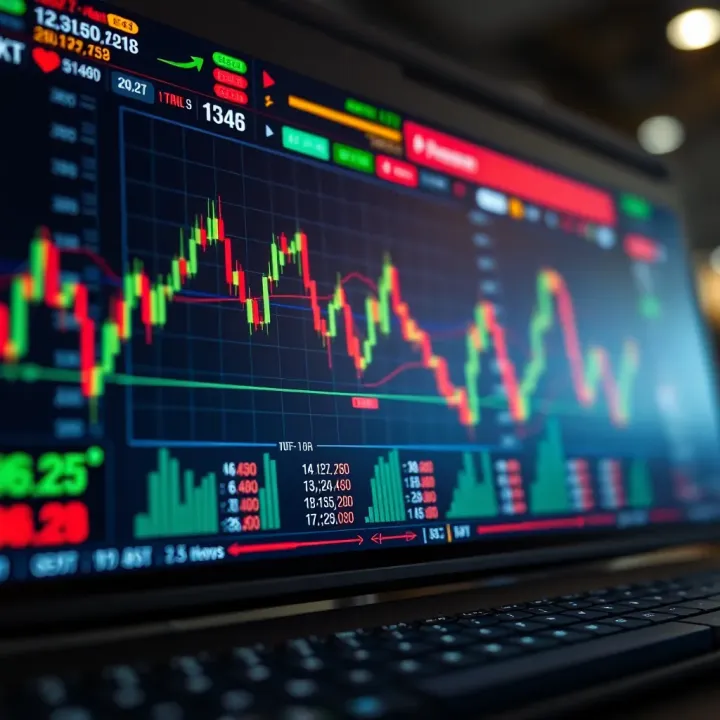
Navigate forex trading confidently in Nigeria! Discover how to pick trusted brokers, master win-worthy strategies, manage risks smartly, and use tech tools 🔍💹🛡️📱

Discover the best forex trading robots for Nigerian traders 🤖! Learn setup tips, risk management, and how to choose the right bot for smarter trades 📈.
Based on 11 reviews