

Understanding Binary Fission: Key Examples & Importance
Explore binary fission 🔬: how single-celled organisms reproduce asexually, real examples, its role in ecosystems, and impact on microbial growth 🌱.
Edited By
Isabella Turner
Binary fission is a straightforward and efficient method of asexual reproduction mainly seen in single-celled organisms like bacteria and some protozoa. Unlike sexual reproduction, it doesn’t require a partner, allowing organisms to multiply very fast—this speed is why bacteria can multiply so quickly, sometimes doubling their population within minutes under favourable conditions.
In binary fission, one parent cell divides into two identical daughter cells. Each new cell carries a copy of the original DNA, ensuring the offspring are genetically the same. This is particularly important in environments where quick replication ensures survival but also means less genetic diversity.

DNA replication: The cell copies its genetic material.
Chromosome segregation: The copies move to opposite ends of the cell.
Cytokinesis: The cell’s body splits, forming two independent cells.
This process is not only relevant in biology labs but has practical applications in industries such as biotechnology, where bacteria reproduce through binary fission to produce insulin or other important compounds.
Binary fission’s rapid reproduction capability helps explain why infections can spread quickly and why targeting bacterial replication is a key strategy in antibiotic development.
In the Nigerian biological context, studying E. coli and Paramecium gives clear examples of binary fission. E. coli, a common gut bacterium, divides approximately every 20 minutes under ideal conditions. On the other hand, Paramecium, a freshwater protozoan often found in local ponds, replicates through binary fission, showing this process is widespread across different types of single-celled organisms.
Understanding how binary fission works offers valuable insights for entrepreneurs and investors interested in biotech innovations or healthcare sectors. The ability to harness or inhibit this process can lead to profitable solutions for food production, pharmaceuticals, and disease control.
With this foundation, we'll now explore practical examples, biological significance, and comparisons with other reproduction methods to deepen your grasp on how binary fission drives growth and change at the microscopic level.
Binary fission is a fundamental biological process where a single cell splits into two identical daughter cells. This method is how many organisms, especially bacteria and some protozoa, reproduce and multiply rapidly. For Nigerian scientists, traders in microbiology products, and entrepreneurs in biotech, understanding binary fission is essential because it explains how microbial populations grow and affect industries like food safety, healthcare, and agriculture.
Simply put, binary fission is a type of asexual reproduction. One parent cell copies its genetic material and then divides into two parts, each inheriting a full set of DNA. Unlike reproduction involving more than one parent, binary fission doesn’t require a mate. A classic example is Escherichia coli bacteria found in water and food, which can double in number under favourable conditions in just 20 minutes. This exponential growth explains why poor hygiene at mama put stalls could lead to food spoilage and illness quickly.
Binary fission stands apart primarily because it produces offspring that are genetically identical to the parent. Sexual reproduction involves the fusion of gametes from two parents, leading to offspring with mixed genetic information. This genetic mixing provides diversity, which helps populations adapt to changing environments. In contrast, binary fission favours speed and simplicity, allowing organisms like bacteria and amoeba to colonise environments rapidly but with little genetic variation.
Understanding these differences helps professionals in healthcare and agriculture anticipate how bacterial infections spread or how certain protozoans thrive in aquatic ecosystems frequently seen in Nigeria.
Knowing what binary fission means in biology doesn’t just satisfy curiosity—it equips investors and businesses in health or food sectors with insights to manage microbial growth and develop solutions against pathogens that reproduce this way. For instance, biotechnology firms use knowledge of binary fission to culture bacteria under controlled conditions, vital for producing antibiotics and vaccines.
In summary, binary fission is a fast, asexual reproduction process crucial to many single-celled organisms. It fuels rapid population increases, making it a key factor in both beneficial applications like biotech and challenges such as disease control. Nigerian stakeholders across sectors can leverage this understanding to harness opportunities or mitigate risks effectively.
Binary fission is a straightforward yet vital process through which many single-celled organisms reproduce rapidly. Understanding the step-by-step process is essential, especially for those invested in biology-related fields where the growth of microorganisms like bacteria affects both health and business outcomes. For investors and entrepreneurs involved in sectors such as pharmaceuticals, agriculture, or food safety, knowing how binary fission unfolds helps in strategising interventions effectively.
The first stage involves the replication of the organism’s chromosome—the circular DNA in bacteria or in many protozoans. This genetic material duplicates so each future cell receives a complete set, preventing loss of vital information. Simultaneously, the cell increases its biomass, making room for the impending division. For example, Escherichia coli, a common bacterium impacting water and food safety in Nigeria, doubles its DNA before any visible changes occur. This step ensures the daughter cells inherit identical genetic codes, which is why bacterial populations can expand massively within hours if unchecked.
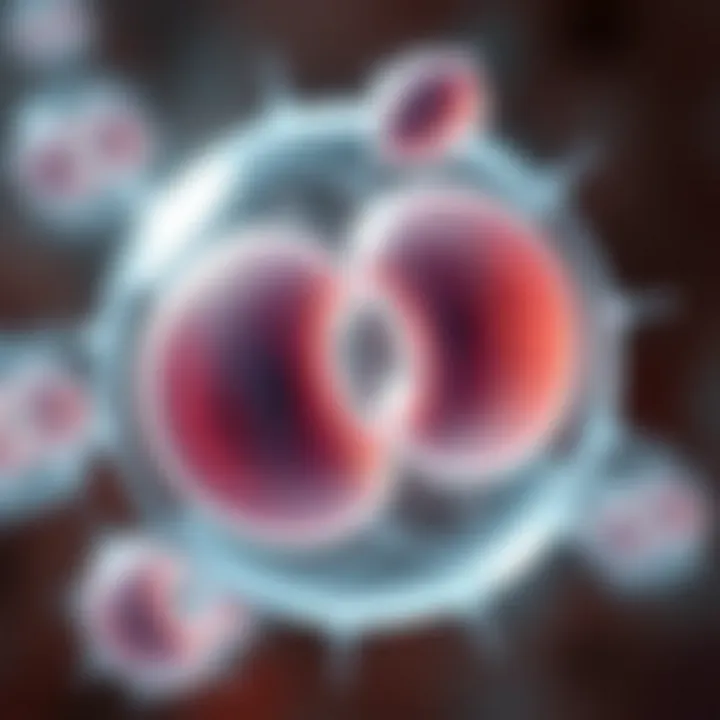
Following chromosome replication, the cell divides its internal components—cytoplasm, ribosomes, and essential molecules—between two halves. This division is precise; the cell’s machinery actively partitions resources so that each daughter cell is viable on its own. Consider Amoeba, which reproduces through binary fission in freshwater sources. It allocates organelles such as contractile vacuoles equally, guaranteeing both daughter cells survive and continue the lifecycle. This phase determines how well the progeny adapt to their environment post-division, influencing population sustainability.
Finally, the cell membrane pinches inwards at the centre, forming a division known as the septum. This process, called cytokinesis, physically separates the original cell into two independent daughter cells. Each new cell begins life ready to grow, replicate DNA, and eventually split again. In the context of food vendors like mama put stalls, rapid binary fission of bacteria on leftover food means spoilage happens quickly, which can affect health and business reputation if not controlled. For biotechnology and medical research, this stage is key when culturing bacteria for antibiotics or probiotics, highlighting the importance of controlled environments.
The cycle of binary fission lets organisms multiply quickly, but also demands careful monitoring in industries where microbes play significant roles, either beneficial or harmful.
Understanding this clear progression—from chromosome replication through to complete cell division—equips professionals with knowledge to predict microbial behaviour and manage biological risks more effectively.
Understanding binary fission through everyday examples helps make this biological process relatable, especially in Nigeria where single-celled organisms affect our daily life and environment. By focusing on familiar bacteria and protozoans, traders, entrepreneurs, and investors can better appreciate how these organisms influence food safety, water quality, and aquatic ecosystems.
Escherichia coli (E. coli) bacteria reproduce rapidly through binary fission, doubling their numbers roughly every 20 minutes under favourable conditions. In Nigerian urban centres, E. coli contamination often occurs in poorly treated water sources or unhygienic food handling, posing health risks. This rapid reproduction means that a small number of bacteria can quickly multiply, leading to foodborne illnesses or water contamination outbreaks.
At many mama put stalls, food is exposed to ambient temperatures ideal for bacteria like E. coli and Salmonella to reproduce fast by binary fission. This explains why perishable foods spoil quickly without proper refrigeration. Traders must be aware that the multiplication of such bacteria can reduce food shelf life and increase health risks for consumers, affecting business reputation and compliance with food safety standards.
Amoeba, a common protozoan found in ponds and stagnant water, reproduces by binary fission. It splits itself into two equal parts after duplicating its nucleus and cytoplasm. In Nigeria's freshwater bodies, Amoeba populations can multiply swiftly during the rainy season when ponds and excavations fill up, impacting water quality.
Rapid amoeba reproduction affects the balance of microorganisms in freshwater environments. While amoebas feed on bacteria, their population boom can signify changes in water health that may affect fish and other aquatic life. Investors interested in aquaculture or water resources should monitor these dynamics, as excessive protozoan growth might indicate pollution or ecosystem stress.
Paramecium, another single-celled organism, is popular among Nigerian aquarium hobbyists because of its swiftness in reproduction through binary fission. This process allows Paramecium populations to recover quickly in tanks, helping maintain a balanced aquarium ecosystem by feeding on leftover organic waste.
In natural aquatic environments, Paramecium acts as a key consumer of bacteria and small particles, helping to purify water and maintain ecological balance. Their binary fission reproduction ensures they can adjust rapidly to changes in water quality or food availability, which benefits ecosystems and, in some cases, local fisheries.
Recognising real-life examples of binary fission in Nigeria bridges theory and impact, assisting stakeholders across sectors to manage health risks, environmental sustainability, and economic opportunities effectively.
Binary fission plays a vital role in the survival and growth of single-celled organisms, many of which have direct impacts on both natural ecosystems and human activities. Its ability to enable rapid multiplication makes it a key process in maintaining microbial populations that keep ecological balances but also increases the speed at which harmful bacteria can spread.
Binary fission allows organisms like bacteria to double their numbers in a short time, often within minutes or hours under favourable conditions. For example, Escherichia coli—common in soil and water across Nigeria—can reproduce fast when nutrients are available, rapidly increasing their population. This swift multiplication enables bacterial colonies to thrive in diverse environments, from the soil in agricultural lands to contaminated water sources. This rapid growth explains why bacterial infections can escalate quickly if not managed early.
Many diseases caused by bacteria result from their quick reproduction via binary fission. Once bacteria enter the human body, their numbers can surge rapidly, overwhelming the immune system. For instance, Salmonella and Shigella, often linked to poor food hygiene in street food, multiply fast, causing food poisoning outbreaks especially during the ember months when many people eat out.
Food vendors, particularly mama put stalls, need to be aware of how binary fission contributes to food spoilage and contamination. Bacteria such as Staphylococcus aureus can multiply quickly on warm, unrefrigerated food. This not only destroys the food's quality but poses health risks to consumers. Simple preventive steps like using clean water and proper storage can slow bacterial growth, protecting the health of Nigerians and preserving vendors’ reputations.
Scientists rely on binary fission during laboratory cultivation of bacteria to produce medicines and vaccines. By replicating bacteria rapidly, researchers generate enough samples for experiments and industrial applications, such as producing insulin or enzymes. Understanding this reproduction helps labs maintain cultures under optimal conditions, reducing costs and increasing efficiency.
The rapid division of bacteria through binary fission also complicates antibiotic development. Since bacterial populations grow so fast, resistant strains can emerge quickly if antibiotics are misused or under-dosed. This resistance threatens treatment success, making it necessary for medical practitioners and patients in Nigeria to use antibiotics responsibly. Research in this area focuses on targeting the binary fission process itself or developing drugs that can keep pace with bacterial multiplication.
The ability of organisms to reproduce swiftly by binary fission shapes their survival, impacts public health, and drives advancements in medicine and biotechnology. Recognising its implications is key, especially in environments where rapid bacterial growth influences daily life.
Understanding binary fission isn't just academic; it has real consequences for disease management, food safety, and scientific progress in Nigeria and beyond.
Understanding how binary fission stacks up against other forms of reproduction offers valuable insights, particularly in biology studies and practical applications. Unlike sexual reproduction, where genetic material combines from two parents, binary fission involves a single organism dividing into two identical offspring. This section breaks down the key differences, helping clarify why binary fission is efficient for certain organisms while other strategies suit more complex life forms.
Binary fission and mitosis both result in two cells from one, but they happen in very different contexts. Binary fission is common in prokaryotic cells like bacteria—cells without a nucleus—while mitosis occurs in eukaryotic cells of plants, animals, and fungi, which have defined nuclei. In mitosis, multiple steps organise chromosomes before division. The process includes phases like prophase, metaphase, anaphase, and telophase, guiding the separation of duplicated chromosomes. Binary fission is simpler and quicker; the single circular chromosome duplicates, and the cell splits without those complex stages.
For example, in bacteria like Escherichia coli frequently found in Nigerian water sources, binary fission can produce new cells every 20 minutes under good conditions. Meanwhile, human cells divide via mitosis for growth and repair, taking significantly longer. Mitosis also ensures genetic consistency across tissues, essential for multicellular organisms—something binary fission lacks because it only applies to single-celled life.
Budding and spore formation are alternative asexual strategies found in some fungi, yeasts, and simple animals. Budding produces a smaller daughter cell or organism from the parent’s body, which eventually detaches. Unlike binary fission, which splits one cell nearly equally, budding creates an unequal division. A familiar example is yeast, used in Nigerian staples like ogi. Yeasts bud to reproduce, ensuring rapid population growth in sugary environments.
Spore formation, on the other hand, generates specialized reproductive units—spores—that survive tough conditions. For instance, fungi growing on damp foods in Nigerian markets release spores that disperse through air or water. Spores can remain dormant until favourable conditions arise, offering an adaptive edge unlike the continuous replication in binary fission.
Comparing these strategies highlights how organisms tackle reproduction based on their environment and complexity. Binary fission suits fast, efficient reproduction in stable settings, while budding and spore formation add flexibility and resilience.
In summary, knowing how binary fission contrasts with mitosis, budding, and spore formation sharpens understanding of life’s diversity. This knowledge is particularly useful for scientists, entrepreneurs in biotech, and health professionals monitoring microbial growth and controls in Nigeria’s markets and laboratories.
Explore binary fission 🔬: how single-celled organisms reproduce asexually, real examples, its role in ecosystems, and impact on microbial growth 🌱.

Explore how binary fission works in single-celled organisms 🦠 and see real-life examples that show this key method of asexual reproduction in action.

Explore how binary fission enables single-celled organisms to reproduce simply and quickly 🦠. Learn its role, benefits, and limits in nature and labs.

Explore binary implementation basics and practical uses in computing, software, and communications systems 💻📊. Learn structures, processing, and common solutions.
Based on 6 reviews