

Understanding Chart Patterns for Nigerian Traders
📈 Learn how to spot key chart patterns for better trading and investing in Nigeria’s stocks, forex, and crypto markets. Master tools to boost your ₦ earnings today!
Edited By
Isabella Clarke
Navigating the crypto market without understanding chart patterns is like trying to cross Lagos traffic blindfolded—it’s risky and unpredictable. For Nigerian investors, grasping crypto chart patterns is more than just technical jargon; it’s a practical skill that can significantly improve decision-making and safeguard investments amid volatile price swings often driven by global events and local economic shifts.
Crypto chart patterns show the visual history of price movements on charts, guiding investors on what might come next. These patterns emerge from the collective behaviour of traders, reflecting market psychology—whether fear, optimism, or indecision. Recognising these patterns early allows you to anticipate trends and potential reversals, providing an edge in both short-term trading and long-term investing.

Market Volatility: The cryptocurrency market is notoriously volatile. For investors in Nigeria, where the naira fluctuates against the dollar and factors like power supply and regulatory updates impact liquidity, having a clear view of price trends is essential.
Informed Decision Making: Chart patterns don't promise certainty but improve your chances by signalling probable market directions. This means better timing when to enter or exit trades.
Risk Management: By spotting patterns like head and shoulders or double tops, you can identify weak points in a trend and protect your capital before a potential drop.
Suppose you notice a classic 'cup and handle' pattern forming on the chart of Bitcoin on a Nigerian crypto exchange like Binance or Paxful. This pattern often hints at bullish continuation. Acting on this insight, you decide to hold or buy more tokens anticipating an upswing, provided you set stop-loss levels to shield against sudden reversals.
Reading chart patterns is about interpreting price as a conversation among traders. When you learn to listen, you can respond smartly, not just react emotionally.
Understanding crypto chart patterns is the foundation to mastering the crypto markets. This article will explore the common patterns, how to spot them, and practical steps for Nigerian investors to use these signals effectively.
Crypto chart patterns offer a clear window into how price movements and market behaviour unfold over time. For Nigerian investors navigating the fast-shifting cryptocurrency market, understanding these patterns can mean the difference between making timely profits and costly mistakes. By interpreting visual cues on price charts, investors can gain practical insights into future market direction and trading opportunities.
Chart patterns reveal specific trends and formations formed by price movements. These are not random; they reflect the collective actions of buyers and sellers, making them useful signals for trading. For example, spotting a "head and shoulders" pattern might alert you to a potential reversal in the price trend, giving you an early hint to sell or buy accordingly.
A crypto chart pattern is a recurring formation created by price action on a chart that traders use to forecast future price movements. These patterns arise naturally as a result of the tug of war between what buyers and sellers believe about an asset’s value. Recognising these shapes quickly allows traders to position themselves advantageously, either by entering or exiting markets at more profitable levels.
For instance, the flag pattern often signals a short break before the price continues in the same direction. In the Nigerian market, where price swings in cryptocurrencies like Bitcoin and Ethereum can be sharp, recognising such patterns equips investors with clues to ride trends instead of chasing them after the fact.
Behind every chart pattern is the story of market sentiment — the hopes, fears and behaviours of traders at play. A double top, for example, suggests traders tried twice to push prices higher but failed, indicating hesitation or resistance. This collective hesitation affects subsequent trades and shifts the market’s direction.
Understanding these sentiments is especially helpful in markets driven heavily by emotion and speculation like crypto in Nigeria. When you identify a triangle pattern, it tells you the market is in a state of indecision, with both buyers and sellers holding their ground. Once the breakout happens, it often triggers a strong move, reflecting the sudden surge of confidence or panic.
Crypto prices in Nigeria often swing wildly within hours due to liquidity constraints, rapid inflows of news, and heavy speculative trading. Chart patterns provide a structured way to make sense of this chaos. Instead of guessing, investors can rely on visual signals to identify when a price is likely to continue its trend or reverse.
Take the descending triangle pattern seen in some lesser-known altcoins traded on Nigerian crypto platforms. Recognising this pattern early allows investors to predict downward moves and protect their capital by exiting before prices crash severely.
Timing is everything in crypto trading. Entering too early or too late can wipe out potential gains. Nigerian investors who understand chart patterns can pinpoint better entry and exit points, reducing guesswork.
For example, spotting a bullish flag forming on Bitcoin’s price chart can signal a good opportunity to buy before a price surge. Conversely, seeing a head and shoulders pattern develop on Ethereum’s daily chart could warn traders to sell or tighten stop-loss orders.
Mastering chart patterns equips Nigerian crypto investors to cut through noise, handle volatility confidently, and make smarter decisions grounded in actual market behaviour.
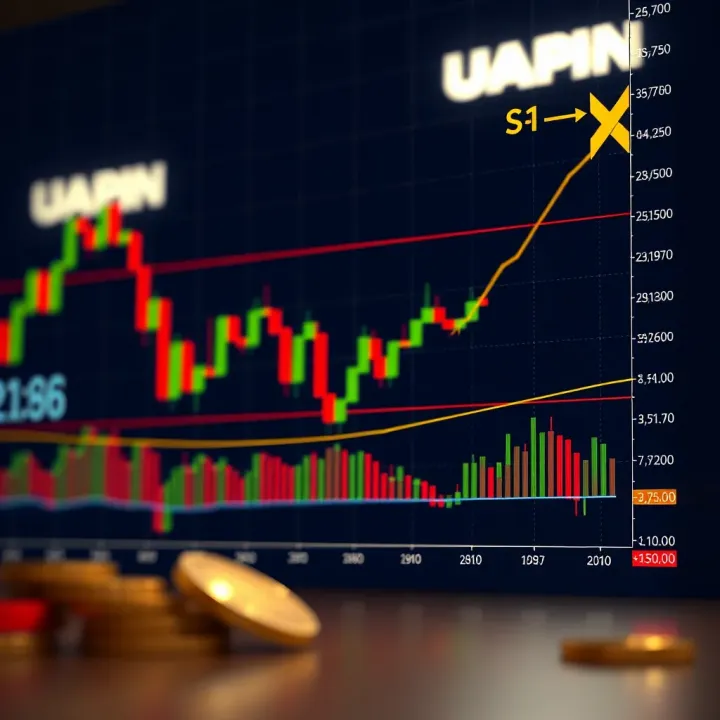
Crypto chart patterns fall mainly into three categories: continuation, reversal, and bilateral patterns. Understanding these groups helps Nigerian investors make better sense of price movements, improving the timing of their trades while reducing risks.
Flags and Pennants are short-term continuation signals indicating the market is likely to keep moving in the current direction. A flag looks like a small rectangle formed by parallel trend lines against the prevailing trend, while a pennant appears as a small symmetrical triangle. For example, if Bitcoin has been climbing steadily, spotting a flag or pennant typically suggests it will continue upwards after a brief consolidation. Nigerian investors can use these patterns to confirm momentum before adding to positions, particularly during volatile periods.
Triangles, such as ascending, descending, and symmetrical, represent periods of indecision as price narrows between trend lines. An ascending triangle shows rising lows and a flat resistance level, often signalling a bullish breakout. Descending triangles, with falling highs and flat support, tend to break downwards. Symmetrical triangles are neutral, breaking either way. In practical terms, if Ethereum forms an ascending triangle on its daily chart, investors might anticipate a rally and plan their entry accordingly.
Head and Shoulders is a reliable reversal pattern indicating a trend change. It consists of three peaks: a higher middle peak (the head) flanked by lower shoulders. When the price breaks below the neckline connecting the shoulders' lows, it signals a likely downturn. For Nigerian traders, catching a head and shoulders on a crypto chart is a clear sign to consider exiting long positions or preparing to short.
Double Tops and Bottoms show a two-time test of resistance or support, indicating exhaustion of that trend. A double top occurs when the price hits a peak twice without breaking through, often foreshadowing a drop. Conversely, a double bottom signals potential bullish reversal. Suppose Bitcoin forms a double bottom at ₦25 million; investors might use this as a cue to tap into buying opportunities.
Triple Tops and Bottoms are like their double counterparts but show stronger resistance or support with three tests. Triple tops suggest a stubborn ceiling price, increasing chances of a sharp fall once broken. Triple bottoms usually indicate robust support, hinting at upside potential. Nigerian investors watching these patterns can better predict and prepare for significant price swings.
Wedges are slanting trend lines converging over time, suggesting potential breakouts either upwards or downwards. A rising wedge slopes upwards but usually breaks down, making it a warning sign for traders holding long positions. A falling wedge, conversely, tilts down but often precedes a bullish breakout. Detecting wedges could help Nigerian investors avoid getting caught on the wrong side of rapid price reversals.
Rectangles form when price moves sideways between horizontal support and resistance, signalling market indecision. Eventually, a price breakout occurs in one direction, offering a trading opportunity. For example, if Ethereum trades within a rectangle between ₦1.5 million and ₦1.6 million for days, a break above resistance might indicate a rally, while a breakdown warns of decline. Recognising this pattern lets investors plan timely moves instead of reacting late.
Having a solid grasp of these key chart pattern categories equips you to spot market signals early, especially needed in Nigeria's unpredictable crypto space where timing is everything.
These categories present a practical framework for analysing crypto charts. When combined with sound risk management, they provide Nigerian investors with a sharper edge amid the market's twists and turns.
Knowing how to read and apply crypto chart patterns is a vital skill for any Nigerian trader aiming to improve decision-making and profit from market moves. Chart patterns offer visual cues about future price behaviour based on past market trends. Grasping how to spot these signals can help investors avoid costly mistakes, especially in Nigeria’s volatile crypto environment where prices can swing suddenly.
Candlestick charts are the most common way to view price changes in crypto. Each candlestick shows the opening, closing, high, and low prices within a set timeframe, giving a clear snapshot of trader sentiment. For example, a long green candle suggests strong buying pressure, while a long red candle signals selling pressure. Understanding basic candlestick shapes like doji or hammer helps identify possible reversals or continuations without relying solely on numbers.
Volume shows how many coins have traded during a given timeframe. It confirms the strength of a price movement. For instance, if Bitcoin forms a breakout pattern with high volume, the move is more reliable than if volume is low. Nigerian investors should always check volume alongside price trends, as swings with low volume often end in false signals. Volume spikes during key patterns highlight genuine interest or panic selling.
Analyse multiple timeframes to avoid misleading signals. A pattern on a 15-minute chart might fizz out on a daily chart. Nigerian traders benefit by aligning their trade horizon to their goals — short-term traders watch smaller timeframes while long-term holders focus on daily or weekly charts. This approach prevents mistimed entries or exits due to conflicting signals from different time scales.
Chart patterns help pinpoint spots to buy or sell. For example, in an ascending triangle, entering a trade just above the resistance line after a confirmed breakout boosts odds of profit. Similarly, stopping out below a support level limits loss when a reversal fails. Using patterns this way provides clear, objective criteria for moves rather than guesswork, especially important given naira volatility and local risks.
Pattern analysis works best when paired with indicators like RSI (Relative Strength Index) or moving averages. If a head and shoulders pattern appears while RSI indicates overbought conditions, that strengthens the case for a price drop. Nigerian traders can combine signals to filter false alarms and improve trade accuracy, conserving capital for higher-probability trades.
Bitcoin’s chart is often used to demonstrate patterns due to its liquidity and global influence. For instance, a double bottom around ₦18 million has historically signalled strong bullish returns. Ethereum’s pennants during consolidation phases have preceded sharp price surges. Observing these familiar examples helps Nigerian investors apply pattern recognition with confidence across various tokens, blending local market awareness with global trends.
Mastering how to read and use crypto chart patterns empowers Nigerian traders to time decisions better, manage risks, and navigate the unpredictable crypto space with clearer insights.
This practical knowledge offers a solid foundation to build trading plans suited for the dynamic ₦-driven market conditions.
Understanding crypto chart patterns can boost your trading decisions, but managing risks when applying these patterns is just as important. The crypto market is highly volatile, especially for Nigerian investors navigating exchange rates, fuel costs for power, and fluctuating demand. Risk management helps guard your capital against sudden market swings and misleading signals that patterns might suggest.
False signals and market noise often trick traders into wrong moves. Crypto markets are noisy due to low liquidity during off-peak hours and high speculative activity. A pattern might seem to signal a breakout, but it could be just a temporary price blip. For example, Bitcoin’s price may shoot suddenly due to a large buy order but then quickly fall back, causing false entry or exit decisions.
These noises test traders' patience and discipline. Nigerian investors should confirm chart patterns with other indicators like volume or moving averages before taking action. This reduces the chances of losses from misleading signals caused by market noise.
Impact of news and regulatory changes is another factor that can wipe out the predictive power of chart patterns quickly. Crypto markets react fast to updates such as changes in regulations by the Securities and Exchange Commission (SEC) Nigeria or global news affecting investor sentiment.
For instance, a sudden report on regulatory clampdown by Nigerian authorities on unregistered crypto exchanges could instantly reverse a bullish pattern on the chart. Traders relying solely on technical patterns might get caught off guard. Staying updated with news and treating chart patterns as one part of the analysis mix is critical.
Stop-loss and take-profit placements are vital to limit potential losses and lock in gains. A stop-loss order tells your broker or trading platform to sell once the price drops to a certain point, preventing bigger losses if a pattern fails. For example, if Ethereum shows a head and shoulders reversal, setting a stop-loss slightly below the neckline protects you if the price falls sharply.
Take-profit orders automatically sell your position at predetermined gains, helping you avoid greed-driven risks. Nigerian traders often set take-profits once the target price from a chart pattern completes to ensure they exit the trade without waiting too long.
Position sizing to protect capital means deciding how much to invest per trade based on your total capital and risk tolerance. Avoid putting a big chunk of your ₦ portfolio on one trade, even if the chart looks promising. For example, risking only 2-3% of your total trading capital on one crypto trade helps you survive multiple losing trades without severe damage.
Proper position sizing paired with stop-loss orders forms a safety net. This approach helps Nigerian investors safeguard their capital against the unpredictability typical of crypto markets.
Managing risks through these techniques keeps you prepared for the unexpected and makes your trading more sustainable over time.
In summary, while crypto chart patterns provide valuable clues on market moves, Nigerian traders must combine them with solid risk management tools such as stop-losses, position sizing, and awareness of market noise and regulatory environments. This balanced approach strengthens your chances to profit and helps you avoid unnecessary losses in the volatile world of cryptocurrency trading.
Understanding crypto chart patterns helps Nigerian investors make informed decisions in a market known for its volatility. These patterns serve as visual cues for what price movements might come next, enabling smarter entry, exit, and risk management strategies. They give traders a practical way to interpret often unpredictable market behaviour, reducing guesswork and improving decision confidence, especially when dealing with popular cryptocurrencies like Bitcoin and Ethereum.
Understanding different pattern types is fundamental for any crypto trader. Recognising continuation patterns such as flags or triangles can help you identify when a trend is likely to persist. Meanwhile, reversal patterns like head and shoulders signal potential trend changes, allowing you to adjust your positions wisely. Bilateral patterns like wedges and rectangles indicate uncertainty, cautioning you to wait for confirmation before taking action. Knowing these patterns lets you interpret market signals faster, important in Nigeria’s fast-paced crypto scene where prices can swing sharply within hours.
Importance of context and confirmation cannot be overstated. No pattern works well in isolation. Spotting a head and shoulders pattern is just the start; you must confirm it using volume trends or other indicators. For example, a high trading volume during a breakout supports the pattern's validity, while a sudden news event from the Central Bank of Nigeria (CBN) or regulatory announcements might override technical signals. Context also means considering different timeframes – a pattern on the hourly chart might mean little if the daily chart shows a strong opposing trend. Nigerian investors familiar with market nuances tend to achieve better timing by evaluating multiple confirmations.
Practice with demo accounts to build skill and confidence without risking real money. Many platforms, such as Binance or Luno, offer demo modes where you can spot patterns, plan trades, and observe how prices react. This hands-on experience is invaluable before committing your naira to volatile markets, especially when fuel and generator costs already tighten many Nigerian traders’ budgets.
Follow reliable crypto market updates regularly. Trusted sources like CoinGecko, Binance research, and Nigerian fintech news sites provide timely information on market trends and regulatory changes. Staying updated ensures you don’t get caught off-guard by sudden shifts due to policy changes by agencies like the Securities and Exchange Commission (SEC) Nigeria or the Nigerian Communications Commission (NCC).
Continuous learning and adaptation form the backbone of long-term success. The crypto market evolves fast, with new patterns emerging and old ones behaving differently under changing conditions. Joining Nigerian crypto forums, attending webinars, and reading expert analysis sharpen your understanding. Adapting your approach as market conditions shift will help you protect your investments and spot fresh opportunities amid market noise.
Mastering crypto chart patterns is not a one-time event but a continuous process of learning, practising, and adapting. By combining pattern recognition with market context and risk management, Nigerian investors can navigate crypto trading more confidently and smartly.
This approach will help you turn the complexity of crypto markets into manageable and profitable moves.
📈 Learn how to spot key chart patterns for better trading and investing in Nigeria’s stocks, forex, and crypto markets. Master tools to boost your ₦ earnings today!

📈 Learn how to spot reversal chart patterns in trading to improve your stock, forex, and crypto moves. Master these signals for sharper market strategies in Nigeria.

📈 Learn how forex trading works, explore top strategies, risks, and get tips on starting with Nigerian brokers to profit in the vibrant ₦ market safely and wisely.

Explore forex vs crypto trading for Nigerian investors 📈. Understand market risks, regulations, and profit chances to pick the best fit for your ₦ goals 💼.
Based on 13 reviews