

Understanding Crypto Trading Signals for Nigerian Investors
📈 Learn how crypto trading signals guide Nigerian investors in the fast crypto market. Discover tools, strategies, and tips to trade smarter and avoid risks effectively.
Edited By
Oliver Hastings
Crypto trading has become a popular way for Nigerians to grow their wealth beyond traditional investments. Simply put, it involves buying cryptocurrencies like Bitcoin, Ethereum, or local tokens and selling them to make a profit from their price changes. Unlike holding cryptocurrencies for years, trading is usually a more active process, aiming to take advantage of market ups and downs within days, hours, or even minutes.
In Nigeria, crypto trading is booming thanks to widespread smartphone use, affordable internet, and platforms like Binance Nigeria, Luno, and Quidax. Many people, from tech-savvy entrepreneurs to young professionals, are joining the market hoping to convert their naira into digital assets that can potentially yield high returns.

To trade effectively, it’s helpful to understand key types of trading methods common among Nigerian investors:
Day Trading: Buying and selling crypto within the same day. Traders watch price movements closely and aim to profit from small fluctuations.
Swing Trading: Holding assets for several days or weeks to capture price shifts caused by market trends or news.
Scalping: Making many quick trades during the day, often lasting just minutes, to earn tiny profits repeatedly.
These trading styles suit different risk appetites and time commitments, so choosing the right one depends on your goals and availability.
Crypto trading can be rewarding but also risky. Price swings are sometimes sharp, impacted by global events and local factors like government policies or naira volatility.
Understanding tools like technical charts, crypto wallets, and trading bots will also boost your confidence when entering this market. Nigerian traders commonly use platforms that accept naira funding and provide easy withdrawal options.
With some groundwork, you can navigate crypto trading knowing how it works, its risks, and the practical steps to start your investment journey.
This article will guide you through all that with specifically Nigerian examples and advice.
Understanding what crypto trading involves is essential for anyone looking to invest or trade in Nigeria’s growing digital currency market. Crypto trading means buying and selling cryptocurrencies aiming to make profit from price changes over time. Unlike traditional stock markets, crypto markets operate 24/7 and can move sharply, offering opportunities but also risks.
Cryptocurrency is a digital or virtual form of money secured by cryptography, making it difficult to counterfeit. Bitcoin, launched in 2009, was the first cryptocurrency, and since then many others have emerged. Crypto trading, therefore, involves exchanging these digital tokens on various platforms to benefit from their price volatility. For example, swapping Bitcoin for Ethereum or selling Litecoin when its price spikes.
Cryptocurrency markets function through decentralised networks without a central authority. Trading happens on online exchanges where buyers and sellers place orders. Nigerian traders often use platforms like Binance, Luno, or local exchanges such as Quidax and Bundle. These markets run non-stop, meaning trades can happen any time of day or night. Prices change constantly based on supply and demand, news, and global economic events. For instance, news about CBN’s stance on crypto can cause sharp price movement among Nigerian traders.
The 24/7 nature of crypto markets means traders must stay alert to sudden price swings that can affect profits or losses quickly.
Nigerians gravitate towards major cryptocurrencies like Bitcoin (BTC), Ethereum (ETH), and Binance Coin (BNB) because of their liquidity and wide acceptance. Stablecoins like USDT (Tether) are also popular, serving as a safe haven during volatile times since they maintain a peg to the US dollar. Additionally, local interest in tokens like Ripple (XRP) and Cardano (ADA) is rising due to their innovative blockchain features and growing community support. Traders might switch between these coins depending on market trends and trading strategy.
Knowing these basics gives Nigerian investors the foundation to safely explore crypto trading, assessing the risks and rewards effectively as they navigate this unique market environment.
Understanding various crypto trading strategies is essential for Nigerian investors keen on maximising their returns while managing risks. Different approaches suit different trading goals, capital sizes, and risk appetites. Knowing these strategies helps you choose a plan that fits your lifestyle, market knowledge, and financial goals.
Day trading involves buying and selling cryptocurrencies within the same day to profit from short-term price movements. This style demands constant attention to the markets, quick decision-making, and a decent grasp of technical analysis. For example, a trader in Lagos might buy Bitcoin at ₦25 million in the morning and sell it at ₦25.5 million by afternoon, aiming for quick, incremental gains.
Scalping, on the other hand, is an even more aggressive form of day trading. Scalpers execute numerous trades each day, exploiting small price gaps. They might target a few hundred naira profit per trade, relying on high volume to accumulate earnings. Given Nigeria’s frequent internet fluctuations, scalping requires reliable connectivity and fast execution.

Both strategies suit traders who can dedicate time and closely monitor market trends. They also require strict risk controls, as the volatile crypto market can swing sharply within minutes.
Swing trading captures price movements over days or weeks, offering more flexibility than day trading. Swing traders spot trends or reversals using chart patterns or indicators and hold positions longer to profit from these moves. A swing trader in Abuja might buy Ethereum ahead of an anticipated rally and sell after a 10–15% rise over several days.
Position trading stretches this horizon further—holding assets for weeks to months to ride longer-term trends. It suits investors who can afford to ignore daily price noise but want to benefit from fundamental market shifts, such as Nigeria’s increasing crypto adoption or regulatory updates.
Both swing and position trading require patience, market knowledge, and proper analysis to avoid holding through sudden downturns. They work well for traders balancing crypto with full-time jobs or other responsibilities.
HODLing means buying cryptocurrencies and holding them for months or years, expecting long-term price appreciation. In Nigeria, many investors adopt this strategy given the country’s inflation issues and naira’s volatility. Bitcoin and Ethereum are favoured for HODLing due to their strong market positions.
This approach requires resilience since crypto prices can dip sharply. However, by ignoring short-term noise, Nigerians can benefit from upward market trends over time. HODLing suits people who prefer a hands-off investment and believe in crypto’s future value rather than frequent trading.
Choosing the right strategy depends on your trading style, time availability, and risk tolerance. Whether you prefer quick scalp trades or steady long-term holding, understanding these approaches helps cut through the market noise and make smarter decisions.
Each strategy has its trade-offs. Beginners might start with swing or position trading to learn market rhythms before venturing into faster-paced day trading or scalping. Conversely, investors with limited time could find HODLing more practical.
Knowing these types and their practical implications positions Nigerian crypto traders to navigate the market confidently and increase their chances of making meaningful profits.
Crypto trading in Nigeria offers real opportunities, but investors must be very aware of its significant risks. Understanding the challenges ahead helps traders make informed decisions and avoid costly mistakes. This section focuses on the main risks Nigerian investors face: market volatility, the regulatory environment, and security threats.
The crypto market's wild price swings are notorious worldwide, and Nigeria is no exception. Investors can see bitcoin or altcoins jump or dip by double-digit percentages within hours. For example, during the 2021 crypto boom, bitcoin climbed from about ₦15 million to ₦35 million in less than six months, then dropped sharply afterward. This volatility means gains can be fast, but losses can hit just as quickly. Traders relying on short-term strategies, like day trading, must monitor price actions closely and apply stop-loss orders to manage risk. Without careful control, investors may end up wiped out by sudden downturns.
Nigeria's regulations around cryptocurrency remain fluid and sometimes conflicting. The Central Bank of Nigeria (CBN) banned banks from facilitating crypto transactions in early 2021, creating hurdles for funding crypto accounts via local banks. However, many Nigerians still use peer-to-peer (P2P) platforms to buy and sell cryptocurrencies, despite regulatory pressures. It's essential to stay updated on the stance of CBN, the Securities and Exchange Commission (SEC), and other authorities because rules can change abruptly. Ignoring legal requirements might lead to frozen accounts or loss of funds. Nigerian traders should also be mindful that cryptocurrencies are not yet fully recognised as legal tender.
Security is a serious concern in Nigerian crypto trading given the rising cases of scams and hacks. Many traders have lost money to fraudulent exchanges posing as trusted platforms or phishing scams targeting private keys. Using well-known, regulated exchanges like Binance Nigeria or Luno, alongside hardware wallets for storing crypto assets offline, can reduce these risks. Always verify the platform's credibility and never share your wallet seed phrases or passwords. Nigerian crypto forums and communities often share warnings about scams. Having two-factor authentication (2FA) enabled on all accounts is also a must.
Always treat crypto investments like cash: once stolen, they're almost impossible to recover.
In summary: crypto trading in Nigeria carries high risk due to volatile prices, uncertain regulations, and security threats. However, knowing these challenges helps investors prepare better and trade more safely. Practising cautious strategies, staying informed on legal updates, and prioritising security measures can improve your chances of success in this fast-moving market.
Navigating the crypto space in Nigeria demands more than just knowledge of digital currencies; having the right tools and platforms significantly affects trading outcomes. Effective crypto trading hinges on access to reliable exchanges, secure wallets, and advanced analysis tools. Each serves a distinct purpose, helping users make informed decisions and protect their investments in a fluctuating market.
Cryptocurrency exchanges are the primary gateways for buying, selling, and converting digital assets. In Nigeria, platforms such as Binance, Luno, and Quidax stand out for their user-friendly interfaces and support for NGN deposits and withdrawals. Binance, for example, offers extensive currency pairs and competitive trading fees, making it popular among both beginners and experienced traders.
Local peer-to-peer (P2P) platforms like Paxful and LocalBitcoins also come in handy, especially amid local banking restrictions on crypto transactions. These P2P platforms allow Nigerian traders to connect directly, offering flexibility in payment methods, including bank transfer, USSD, or even cash deposit.
Choosing the right crypto wallet is crucial for security. While exchanges provide custodial wallets, relying solely on them exposes investors to risks such as hacks and withdrawal limits. Instead, using a combination of hardware wallets (like Ledger or Trezor) and software wallets provides better control and protection.
For instance, hardware wallets store private keys offline, reducing exposure to internet threats, while software wallets, like Trust Wallet or MetaMask, offer convenience for frequent trades. Always remember to back up seed phrases securely and avoid sharing private keys to prevent loss from scams or device failures.
Successful trading goes beyond luck and requires sound analysis. Tools such as TradingView and CoinGecko offer comprehensive charting capabilities tailored to cryptocurrencies. Through these platforms, traders track price trends, trading volume changes, and identify support and resistance levels.
TradingView, in particular, allows users to use custom indicators and alerts, making it easier to time market entries and exits within volatile Nigerian conditions. Meanwhile, CoinGecko provides additional metrics such as liquidity and community sentiment, empowering traders to spot opportunities or flag caution.
Using a blend of local exchanges, secure wallets, and sharp analysis tools can transform crypto trading from guesswork to a structured approach, especially within Nigeria's unique market dynamics.
With these essential platforms and tools at your disposal, you can trade smarter, keep your assets safe, and respond swiftly to market movements in Nigeria's bustling crypto scene.
To start crypto trading in Nigeria, you need a clear understanding of the initial steps involved. This matters because improper onboarding can lead to costly mistakes, especially in a market as volatile and sometimes unpredictable as cryptocurrency. Getting started properly sets a strong foundation that helps you avoid common pitfalls, securely access the market, and begin to trade confidently.
Before trading, you must open an account on a reputable cryptocurrency exchange. Popular exchanges serving Nigerians include Binance, Quidax, and Luno. The signup process usually requires you to verify your identity using your National Identification Number (NIN) or Bank Verification Number (BVN), helping meet regulatory standards.
Funding your account involves depositing Naira, which can be done through bank transfers or using payment platforms like OPay or Flutterwave. For example, if you want to trade Bitcoin, you'd first transfer ₦50,000 into your exchange account. The platform then converts this to Bitcoin or other cryptocurrencies for trading. Be wary of funding via unregulated channels to avoid scams or delays.
Make sure you enable two-factor authentication (2FA) during account setup for added security. Losing access to your account or wallet due to poor security practices is a risk many new traders face unnecessarily.
Starting with small investments is wise, especially if you're new. The crypto market is notorious for its sudden price swings — a ₦10,000 investment suddenly dropping to ₦6,000 within hours is not rare. Also, focus on understanding chart patterns and market news before making bold moves.
Diversify your portfolio. Don't put all your money into one cryptocurrency; spreading it across assets like Bitcoin, Ethereum, and smaller altcoins can cushion losses. Study each coin’s use case and market behaviour rather than chasing hype.
Continue learning by following trusted Nigerian crypto communities and updates from financial news sources. This helps you spot emerging trends and avoid common scams targeting Nigerians.
Risk management is critical. Decide in advance how much you’re willing to lose on a trade and stick to it. For instance, set stop-loss orders that automatically sell your holdings if prices fall below a specific point, limiting potential loss.
Avoid overtrading. Frequent buying and selling can eat into profits through fees and poor timing. Have clear entry and exit plans based on your understanding of the market.
Keep some profits out of the market as a safety buffer. Given Nigeria’s challenges with power supply and internet stability, having funds secured in a cold wallet or traditional bank can be a lifesaver.
Establishing sound habits early, such as securing your accounts, setting realistic expectations, and protecting your investments, will save you from later headaches in crypto trading.
Taking time to get these basics right will help you trade crypto safely and wisely in Nigeria's dynamic market environment.
📈 Learn how crypto trading signals guide Nigerian investors in the fast crypto market. Discover tools, strategies, and tips to trade smarter and avoid risks effectively.

📈 Explore crypto arbitrage: spot price gaps, strategies, and risks. Learn tools & Nigerian rules to trade smartly for potential profit in crypto markets.
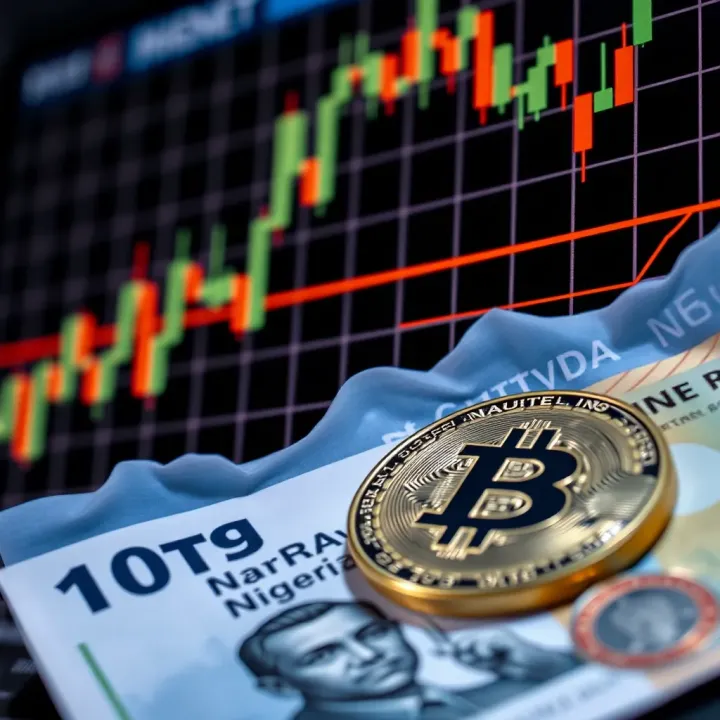
📈 Explore crypto trading basics in Nigeria—learn how markets work, manage risks, follow regulations, and pick top local platforms for smooth trading in ₦.

Discover key types of crypto trading in Nigeria 🔍. Learn how each works, benefits, and risks to stay sharp with your ₦ investments in digital currency. 📊💻
Based on 9 reviews