

How to Start Forex Trading in Nigeria: Beginner's Guide
Ready to start forex trading in Nigeria? Learn essential steps, choose brokers wisely, manage risks, and build solid strategies for profitable trading 📈💰
Edited By
Benjamin Scott
The forex economic calendar is a fundamental resource for anyone trading currencies, including Nigerian traders. It lists scheduled economic events and data releases worldwide that have a direct effect on forex markets. These can range from central bank rate decisions and inflation figures to employment reports and trade balances.
Understanding the calendar lets you see when major fluctuations in currency values might happen. For example, if the Central Bank of Nigeria (CBN) announces a change in interest rates, the Nigerian naira (₦) can become more volatile as traders react. Similarly, US Federal Reserve statements often impact the dollar and, by extension, currency pairs involving the dollar.
Economic calendars are not just for big banks or hedge funds. Nigerian retail traders can use them to manage risk and position their trades for better outcomes.
By paying close attention to the calendar, you can:
Anticipate market movements: Knowing the timing of crucial economic events helps you position your trades ahead of volatility.
Avoid surprises: Unexpected outcomes can cause sharp currency swings. Being aware of scheduled releases reduces the risk of getting caught off guard.
Refine trading strategies: Some traders prefer to trade around news events, while others avoid the chaos. The calendar guides these decisions.
For instance, if the Nigerian inflation rate report is due, a trader might expect the ₦ to weaken if the inflation rate rises beyond analyst expectations. This informs decisions on whether to buy, sell, or hold certain currency pairs.
In Nigeria’s forex market, where information asymmetry and naira volatility are real challenges, the economic calendar keeps traders informed. Reliable sources such as Bloomberg, Reuters, and Nigerian business portals regularly update these calendars, providing localised event details.
In summary, using the forex economic calendar is a practical way to stay one step ahead when trading currencies. It aids in timing your moves with market forces, crucial for maximising profits and minimising losses in the fast-moving forex world.
The forex economic calendar serves as a vital tool for currency traders, helping them track scheduled economic events, data releases, and announcements that significantly influence forex markets. For traders in Nigeria, using this calendar means staying informed about when major economic reports like GDP figures or inflation rates are due, allowing better timing of trades and minimising losses from unexpected market moves.
Key objectives of the economic calendar include providing a clear timetable of upcoming economic events that affect currency values. It allows traders to anticipate volatility and plan trades accordingly. For example, knowing when the Central Bank of Nigeria (CBN) will announce interest rate decisions can help a trader decide whether to buy or sell the naira ahead of possible market reactions.
Unlike a general finance calendar, the forex economic calendar focuses specifically on events that impact currency markets. It is structured to highlight high-impact releases from around the world, not just a broad range of economic data.
How it differs from other financial calendars is mainly in purpose and detail. Stock market calendars tend to focus on earnings reports or corporate actions impacting shares, while bond calendars emphasise debt issuance and ratings changes. The forex economic calendar zeroes in on macroeconomic events, such as employment figures or trade balances, which have direct effects on currency supply and demand.
Economic indicators form the backbone of the forex calendar. These include reports on inflation (such as the Consumer Price Index, CPI), unemployment statistics, and GDP growth. Each provides insights into a country’s economic health. For instance, a rising inflation rate usually signals potential currency depreciation unless the central bank acts to cool the economy.
Central bank announcements are equally critical. Decisions on interest rates or monetary policy statements by banks like the CBN or Federal Reserve can instantly move forex markets. Traders watch these announcements closely since a rate hike often strengthens a currency, attracting foreign investment, while a rate cut typically weakens it.
Political events impacting forex also feature prominently in the calendar. Elections, geopolitical tensions, or unexpected government policy declarations can upset forex equilibrium. For Nigerian traders, monitoring political developments—like election cycles or changes in fuel subsidy policy—is key to anticipating sharp naira fluctuations.
Staying alert to scheduled economic and political events using the forex economic calendar is one of the simplest ways to reduce surprises in currency trading and make smarter, more informed decisions.
Understanding how the forex economic calendar functions can give Nigerian traders an edge, especially when combined with local market insight and a well-planned trading strategy.
Understanding major economic indicators is central to making informed currency trading decisions. These indicators influence market sentiment and currency strength, offering signals that traders can use to anticipate forex movements. Nigerian traders, in particular, can benefit by watching these reports closely, as global shifts often affect the naira's value indirectly.
GDP measures the total value of goods and services produced within a country over a specific period, serving as a broad indicator of economic health. When a country reports strong GDP growth, its currency often appreciates because higher output suggests a robust economy attracting investment. For example, if the United States releases better-than-expected GDP figures, the US dollar might strengthen against the naira. Conversely, if Nigeria reports sluggish growth due to low oil revenues or power disruptions, the naira could weaken.
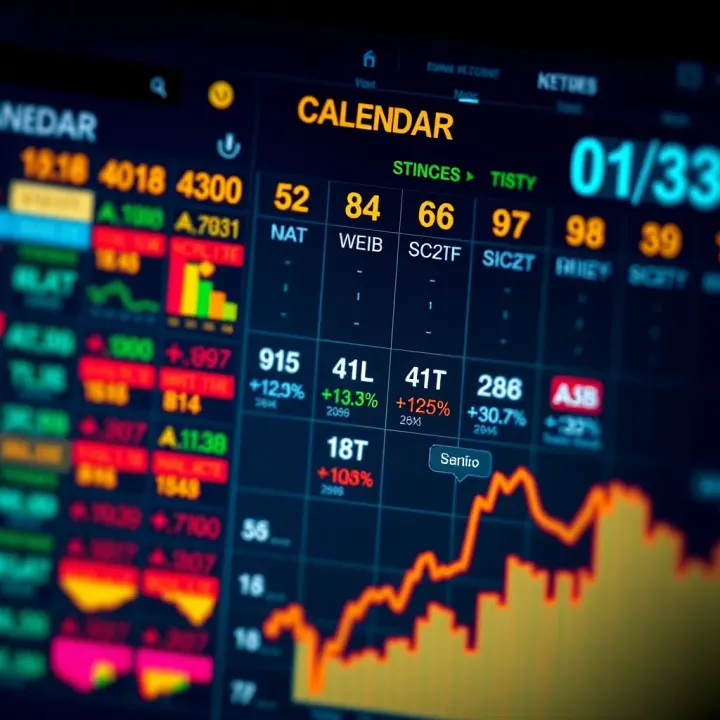
Inflation reflects how quickly prices rise in an economy, and the Consumer Price Index (CPI) is the most common way to track it. Rising inflation often pushes central banks to increase interest rates, attracting foreign capital and boosting the national currency. For Nigerian traders, watching Nigeria's CPI data helps understand inflation trends that might influence the Central Bank of Nigeria's (CBN) monetary policy. A sudden spike in inflation usually signals rising costs for goods like petrol and food, impacting consumer spending and currency value.
Employment figures reveal the strength of the labour market, directly affecting economic output and consumer confidence. When employment rises and unemployment falls, it indicates a healthy economy and can prompt currency appreciation. For instance, stronger-than-expected US non-farm payroll data tends to lift the dollar on forex markets. Nigerian traders should also consider local employment reports or labour market trends that affect disposable incomes and demand for foreign exchange.
Trade balance, the difference between exports and imports, shows a country's competitiveness. A trade surplus (exports exceed imports) usually strengthens the currency as foreign buyers need that currency to pay for goods. Nigeria’s trade balance is often influenced by oil exports; when oil prices rise, the surplus expands, potentially supporting the naira. However, persistent deficits signal demand for foreign currencies to pay for imports, weighing down the local currency. Keeping tabs on these figures helps traders understand external pressure on currency values.
Monitoring these economic indicators offers actionable insights into currency trends, helping traders anticipate shifts rather than react late. Nigerian forex market participants can thus manage risks better by aligning trades with economic data releases.
Focus on GDP for overall economic strength.
Watch CPI and inflation for central bank policy clues.
Track employment data as a health signal.
Use trade balance to gauge currency demand from trade flows.
Integrating these indicators with real-time news and calendar alerts enhances decision-making, especially where naira volatility and global economic events intersect.
Central banks play a defining role in forex markets by shaping economic policies that directly impact currency values. Their decisions can trigger immediate market reactions, affecting traders and investors who depend on timely information to make sound choices. Given their power to influence interest rates, money supply, and overall economic confidence, understanding central bank actions is essential for anyone serious about currency trading.
Interest rate changes are the most visible tools central banks use to control economic activity. When a central bank raises rates, it usually signals a strong economy or an attempt to tame inflation. Higher rates attract foreign investment, boosting demand for the currency and strengthening its value. For instance, if the Central Bank of Nigeria (CBN) hikes its Monetary Policy Rate (MPR), traders expect the naira to gain some ground against other currencies due to increased returns on naira-denominated assets.
On the flip side, lowering interest rates tends to weaken the currency because it makes holding that currency less attractive to investors. This encourages borrowing and spending but can lead to currency depreciation if rates fall significantly. Nigeria’s naira often reacts to these changes, so forex traders keep a close eye on CBN’s rate announcements to anticipate shifts.
Monetary policy statements offer guidance beyond just interest rate levels. They outline the central bank’s outlook on inflation, growth, and monetary tightening or easing. For traders, these statements provide clues about future policy direction, allowing them to adjust positions ahead of time.
For example, if the CBN signals concerns about rising inflation in a policy statement, traders might expect further rate hikes, prompting a stronger naira expectation. Conversely, a dovish stance indicating accommodative policy could lead to naira weakness as investors reposition. Monitoring these statements helps traders avoid surprise moves and plan trades in alignment with anticipated economic trends.
Nigerian traders should pay attention to the CBN’s periodic policy meetings, especially the Monetary Policy Rate announcements and interventions in the foreign exchange market. Other important updates include adjustments to foreign exchange restrictions and windows, such as the official rate, Investors’ and Exporters’ (I&E) window, and parallel market trends.
These announcements often set the tone for naira volatility in the short term. For instance, a recent shift in CBN’s forex policy during the 2023 ember months caused noticeable movements in cross rates, which savvy traders leveraged for profit.
The CBN occasionally steps into forex markets to stabilise the naira, especially during periods of high volatility or external shocks like oil price swings. Such interventions can temporarily strengthen the currency by providing liquidity or restricting supply.
However, frequent interventions can mask underlying economic weaknesses, leading to sudden corrections once policies shift. Nigerian traders need to factor in these interventions' timing and scope, recognising that while they might offer short-term gains, the naira’s overall trajectory depends on broader economic fundamentals and CBN’s longer-term strategies.
Staying updated on central bank moves is crucial. These actions often dictate the ebb and flow of currency markets and can make the difference between winning and losing trades.
For Nigerian forex traders, the economic calendar is not just a tool—it’s a daily compass guiding decisions. It highlights when key data or announcements hit the markets, offering advanced warning to adjust strategies. Given the naira’s sensitivity to both local and global events, following the economic calendar helps traders anticipate moves and avoid unnecessary losses.
Several economic calendars serve Nigerian traders well. International platforms such as Investing.com and Forex Factory provide comprehensive schedules with real-time updates on events like the US Federal Reserve meetings or European GDP releases. However, for local relevance, platforms like Nairametrics and BusinessDay offer calendars tuned to Nigerian economic events, including CBN policy announcements and inflation reports.
Using these calendars together lets traders catch both global cues and local triggers influencing the naira. For example, knowing the date for the Central Bank of Nigeria’s Monetary Policy Committee meeting ahead allows traders to prepare for potential naira swings.
Planning trades around major announcements helps manage volatility. Many traders wait until after key releases—such as inflation rates or employment data—before entering positions, reducing exposure to sudden price swings. For instance, if the Consumer Price Index (CPI) shows unexpected inflation in Nigeria, the naira could weaken sharply, impacting USD/NGN pairs.
Managing risks during volatile periods means setting stop-loss orders or reducing trade size before these events. Experienced traders sometimes avoid opening new positions minutes before announcements, avoiding whipsaws common to markets reacting to surprise data.
Traders who ignore the economic calendar may find themselves caught off-guard by sharp market moves, which often leads to avoidable losses.
Local economic factors are critical when using the economic calendar. Nigeria’s dependence on oil exports means global crude price announcements can affect forex flows. Likewise, seasonal impacts like the ember months influence market liquidity and trading volumes. Traders should also watch fiscal policy changes by the Federal Government, as large budget deficits can pressure the naira.
The naira’s volatility is often elevated compared to hard currencies like the dollar or euro. This stems from tight foreign exchange supply and sporadic CBN interventions. As a result, event-driven moves can be exaggerated. For example, CBN’s periodic adjustments to the official exchange rate or sudden forex sales announcements can cause swift price shifts. Monitoring such events on the calendar helps traders stay nimble and avoid overexposure during spikes.
By combining global indicators with a clear grasp of Nigeria-specific economic realities, traders can make informed decisions. The economic calendar, properly used, becomes a powerful ally to navigate the often choppy Nigerian forex market.
Using the forex economic calendar is vital for keeping track of market-moving events, but traders face several challenges while doing so. Understanding these common hurdles is key to effective use of this tool, especially within Nigeria’s unique trading environment. Navigating mixed data signals, recognising market response timelines, and managing the flood of information can make a significant difference in decision-making and risk management.
Traders often receive economic data releases that show mixed signals or outcomes that differ from expectations. Avoiding overreactions in such cases is crucial. For example, if Nigeria's inflation rate spikes unexpectedly but GDP growth remains steady, rushing to sell the naira based on inflation alone could lead to unnecessary losses. Instead, traders should wait for confirmation through additional indicators or central bank commentary before adjusting positions.
Contextual analysis involves looking beyond the headline numbers to factors like long-term trends, sector-specific impacts, or external influences such as oil price fluctuations affecting Nigeria’s economy. For instance, if employment data improves while trade balance worsens, understanding which factor weighs more heavily on currency performance requires analysing the broader macroeconomic environment.
It’s common for the forex market not to react immediately when economic data comes out. Sometimes, market participants take time to digest the information or await corroborating reports before moving prices. Nigerian traders should recognise that a delay between an event and market response is natural.
For example, a sudden interest rate decision by the Central Bank of Nigeria (CBN) might not instantly move the naira against the dollar but could gain momentum over hours or days as investors re-evaluate their outlook. Being patient rather than jumping in immediately prevents catching false market spikes or dips.
Economic calendars list many events daily, but not all carry equal weight. Focusing on the most relevant events helps traders avoid being distracted. Prioritising CBN announcements, federal budget releases, and major foreign economic data impacting global oil prices gives clarity when trading naira pairs.
Personalising calendar settings is a practical way to cut through the noise. Most economic calendar platforms allow users to filter by country, event importance, or time zone. Nigerian traders should customise notifications to only highlight events that impact the naira, such as inflation, monetary policy statements, and oil production figures.
Careful filtering and contextual understanding turn economic calendars from overwhelming data dumps into precise guides for action.
By recognising these challenges and applying practical measures, traders working with the forex economic calendar can improve their strategies, reduce costly mistakes, and better navigate Nigeria’s volatile currency market.
Ready to start forex trading in Nigeria? Learn essential steps, choose brokers wisely, manage risks, and build solid strategies for profitable trading 📈💰

💰 Learn how Nigerian traders can make steady income with forex trading. Get practical tips on starting out, smart strategies, managing risks, and local market pointers.

🤑 Start your forex trading journey in Nigeria with practical tips on markets, brokers, risk management, and tools tailored for Nigerian traders and economic realities.
📈 Understand forex trading in Nigeria: learn how buying and selling foreign currencies can boost your profits, spot risks, know local rules, and trade safely today!
Based on 12 reviews