

Understanding Binary Numbers: A Simple Guide
🔢 Discover how binary numbers power computing! Learn their structure, conversion methods, and real-world uses in everyday tech. A clear, detailed guide.
Edited By
Charlotte Evans
Opening a bank account abroad isn’t just about convenience—it’s often necessary for handling daily expenses, getting paid, and avoiding hefty international fees. For investors, entrepreneurs, or financial pros working overseas, the right expat bank account can keep finances smooth and flexible.
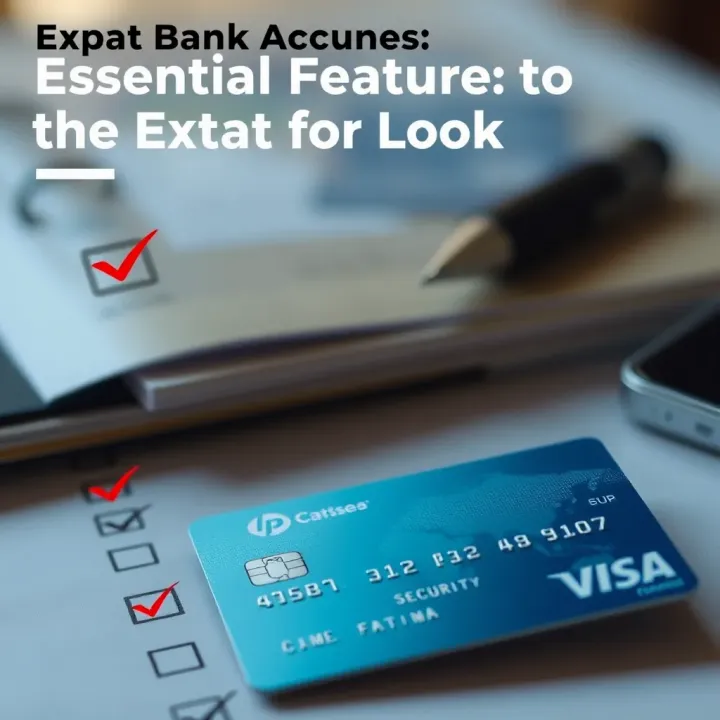
Without a local bank account, paying rent, utilities, or getting paid can turn into a hassle. Plus, your home bank’s fees for international withdrawals and transactions might stack up quickly. For example, if you rely on a U.S. bank card to withdraw cash in euros frequently, you could see 3% to 5% fees each time.
An expat account lets you:
Receive local currency payments with ease
Avoid foreign transaction fees on everyday purchases
Access online banking tailored for your new country
Transfer funds internationally at better rates
These benefits matter whether you’re freelancing, running a business, or simply settling into retirement overseas.
Not all expat bank accounts are created equal. Focus on these key features:
Multi-currency support: Some banks let you hold various currencies in one account, which helps if you work between countries.
Fee transparency: Look for clear, reasonable fees on ATM withdrawals, transfers, and account maintenance.
Online and mobile access: Managing money from anywhere is vital. Strong app features and responsive customer service matter.
Security standards: Ensure the bank complies with international regulations and protects your data.
Requirements vary, but usually, you’ll need:
A valid passport
Proof of residence abroad (like a utility bill or lease agreement)
Possibly a tax identification number from your new country
Some banks allow you to open accounts online, while others require in-person visits. Knowing ahead what paperwork and steps are necessary can save time.
Bottom line: An expat bank account tailored to your needs reduces friction when dealing with everyday expenses and international finances. Take the time to pick one matching your lifestyle and money habits to avoid surprises.
Next sections will explore specific challenges expats face and actionable tips to manage your finances across borders.
Managing your money when living abroad isn't as simple as sticking with your home bank account. Expats face unique issues that can seriously complicate finances if they don't use the right banking tools. Specialized expat bank accounts are designed to ease these challenges, offering features and flexibility domestic accounts just can’t match.
Issues with currency conversion and fees often hit expats hard. Say you're a US expat in Germany paying rent in euros but your domestic account is in dollars. Every time you convert funds or withdraw money abroad, hefty fees and unfavorable exchange rates apply. These fees pile up and can significantly drain your budget over time.
Restricted access and freeze risks are another headache. Banks back home might flag foreign transactions as suspicious, leading to frozen accounts or delayed payments. This can leave you stranded without access to your own funds just when you need them. A US expat trying to pay monthly bills abroad might find their cards rejected or funds held hostage, causing real stress.
Incompatibility with local banking systems also creates friction. Certain services or payment methods common locally may be unavailable when using a foreign domestic account. For example, direct deposit or local bill pay might not work smoothly, forcing you to rely on costly workarounds and slowing down your financial routine.
Having a local expat bank account simplifies transactions and payments. Paying rent, utilities, or even grabbing coffee becomes straightforward when you transact in the local currency, avoiding the trouble of conversions for every single payment. This smoother flow of money saves time and prevents those annoying exchange surprises.
These accounts typically come with lower fees on international transfers. Whether you’re sending money back home or moving funds around multiple countries, local expat accounts often partner with transfer services that cut down on hidden charges. Imagine transferring $1,000 to the US with just a few dollars in fees instead of $30 or more — that difference adds up.
Also, access to local financial products is a huge advantage. Many expat accounts allow you to tap into local credit cards, loans, or investment options unavailable via your home bank. This access supports everything from building local credit to investing in opportunities tailored to your new environment, providing financial benefits and security.
The bottom line is expat bank accounts aren’t just about holding money overseas — they equip you with tools adapted to your life abroad, cutting costs and boosting convenience every step of the way.
Opening an expat bank account is a practical step for anyone living abroad. It ensures smoother money management, easier access to local financial services, and can save you from costly international fees. Knowing what's needed and how to choose the right bank and account type will get you set up quickly without unnecessary hassle.
Proof of identity and residency is the first hurdle. Most banks will ask for a government-issued ID like a passport and something to prove where you live — this could be a utility bill or rental contract. These documents confirm you are who you say you are and that you have a local address, which is critical for complying with local banking regulations.
Then there are visa and work permits. These prove your legal right to stay and/or work in the country, making them necessary for opening most expat accounts. For example, some countries won't let tourists open local accounts, but a valid work visa clears the way. This also reassures the bank you're established, lowering the risk factors associated with your profile.
Reference letters and credit checks may come into play, especially with more traditional banks. A letter from your previous bank or employer might be required to show financial responsibility. Additionally, banks may conduct credit checks both locally and internationally to assess your risk level. If your credit history is thin or spotty, some banks might offer accounts with limited features until you build up local credit.
When choosing between international banks and local banks, consider how often you'll need cross-border services. International banks like HSBC or Citibank offer multi-country access and international customer support, which might be better if you move frequently. On the flip side, local banks often provide better rates or access to local products but might lack English services or handy international features.
Deciding between checking accounts and savings accounts depends on your goals. A checking account is handy for daily transactions — paying rent, bills, or receiving your paycheck. Savings accounts usually offer better interest rates but may have withdrawal limits or fees. Many expats keep both, using checking accounts daily and savings accounts to build a financial cushion with better returns.
Lastly, online-only bank options have gained popularity for their low fees and easy access. Banks like Ally, Chime, or Revolut let you open accounts remotely, manage funds via apps, and often provide free international transfers. This suits expats who value convenience and technology but check whether the bank supports your host country's regulations before committing.
Getting the documentation right and picking the bank that fits your lifestyle and financial habits will save you time and frustration when opening an expat bank account.
Remember, each country has its quirks, so be prepared for variations. Doing your homework upfront means you'll handle your money well overseas without hitting unexpected roadblocks.
Finding the right expat bank account means knowing what features actually make your financial life easier abroad. It boils down to aspects like currency handling, fees, and how easy it is to get help when you need it. These aren't just boxes to check—they affect everything from day-to-day spending to long-term money management.
Managing multiple currencies is essential for anyone juggling income or expenses in more than one country. Say you earn in euros but live in the U.S.; a multi-currency account lets you hold balances in both dollars and euros without constantly converting. It’s not just convenience—it helps you avoid the hassle and delays that come with frequent currency exchanges.
Avoiding exchange rate losses matters a lot when you’re moving money across borders. Exchange rates swing daily, so locking in a favorable rate or holding funds in a stable currency can save you serious cash. Banks offering competitive forex rates and low conversion fees put you in a better spot. For example, some offer real-time alerts or let you schedule transfers when rates hit your target.
Account maintenance fees can quietly chip away at your balance if you aren’t careful. Some banks charge monthly fees just to keep your account active, while others waive them if you meet certain conditions, like maintaining a minimum balance. Understanding these rules upfront can help you avoid paying more than you should.
ATM withdrawal and transfer fees vary widely and can add up fast, especially if you’re withdrawing cash abroad or sending money internationally. Many expat-friendly banks limit ATM fees or reimburse a certain number of withdrawals, which can save a ton during travel or daily expenses. When sending money, picking banks with low or no wire transfer fees is a smart move.
Language support is a lifeline when banking in a foreign country. Banks that offer customer service in your native language reduce confusion and mistakes, especially during complex transactions or when sorting out issues. Whether it’s phone support or live chat, accessible help can turn a frustrating situation into a quick fix.
Online and mobile banking features have become a must-have. They let you check balances, pay bills, move money, and even freeze cards anytime from your phone or laptop. For busy expats, this means staying in control without driving to a branch or waiting on hold.
Availability of local branches still matters for many. Even with great online tools, having a nearby branch can be crucial for depositing cash, handling paperwork, or dealing with problems face-to-face. Plus, locals appreciate banks with a solid physical presence because it means more reliable services and local expertise.
Choosing an expat bank account isn't just about picking a name on the list. You want to hunt for key features that truly fit your financial habits and lifestyle abroad, making your money work smarter, not harder.
Navigating banking challenges abroad is one of the trickiest parts of managing money as an expat. Different countries come with their own rules, currencies, and paperwork, which can complicate everything from opening an account to transferring funds. Addressing these challenges head-on helps you avoid costly mistakes and keeps your finances running smoothly while you’re away from home.
Understanding local banking laws is essential to avoid legal headaches. Every country enforces its own banking regulations that affect how foreign nationals can open or operate accounts. For example, some nations require proof of residency or specific visa types before letting you open accounts. Others have strict rules about reporting transactions or keeping minimum balances. If you ignore these laws, your account might get frozen or flagged, causing delays or worse. It’s smart to get familiar with these regulations early on, either by visiting local bank branches or consulting financial advisors who specialize in expat services.
Tax reporting and FATCA implications also play a big role in expat banking. The Foreign Account Tax Compliance Act (FATCA), enacted by the U.S., requires foreign banks to report accounts held by U.S. citizens. That means if you’re a U.S. citizen living abroad, your foreign bank might share your account details with the IRS. This can result in some banks refusing to open accounts for U.S. expats or closing them unexpectedly to avoid compliance risk. Beyond FATCA, expats must keep up with tax reporting in both their home country and the country they live in, which often involves filing forms for foreign income or assets. Skipping these steps can lead to penalties and audits.
Best practices for currency exchange matter because currency rates can swing dramatically, impacting the value of your transfers. For instance, if you regularly send money home or pay bills in a different currency, bad timing can cost hundreds of dollars over a year. One practical tip is to watch exchange rate trends and set up alerts for favorable rates. Services such as XE or OANDA provide real-time data so you can transfer funds when rates are in your favor instead of reacting last minute.
Using transfer services to reduce costs is another way to ease this challenge. Traditional bank wire transfers often come with high fixed fees and poor exchange rates. Dedicated international money transfer services like Wise, Remitly, or WorldRemit offer much better rates, lower fees, and faster delivery times. Plus, these platforms often have user-friendly apps that let you lock in exchange rates or schedule payments ahead. For example, an expat paying rent back in the U.S. can save dozens of dollars per transfer by switching from a bank wire to a service like Wise.
Managing compliance, tax issues, exchange rate timing, and transfer costs is critical for maintaining hassle-free expat banking. Addressing these challenges head-on can save money and keep your financial life organized across borders.
Managing an expat bank account effectively plays a key role in keeping your finances in check while living overseas. Simple habits like setting up automatic payments or keeping tabs on your account can help you dodge unnecessary fees and avoid last-minute headaches. Plus, knowing what to do before you leave your host country saves you from scrambling over missing funds or account closures.
Setting up direct deposits and automatic payments simplifies your financial life by ensuring your income and bills hit the right accounts on time. For example, if your paycheck autoposts to your expat account, you avoid delays that can cause overdraft fees if payments hit late. Similarly, automated bill pay like rent, utilities, or subscription services helps prevent missed payments, especially important if you’re juggling multiple time zones or travel frequently. This automation cuts down on late fees and keeps your credit in good shape — essential if you plan to apply for loans or credit cards abroad.
Monitoring account activity regularly isn't just about catching fraud or errors, it also helps you manage your spending and avoid unexpected charges. Say you’re using an ATM that isn’t part of your bank's network—you may incur fees you wouldn’t notice until it’s too late. By logging into your online banking app a few times a week, you catch these quickly. Plus, keeping an eye on currency conversions tied to your account can help you decide when to transfer funds or lock in exchange rates. This kind of vigilance saves money and gives you a clearer financial picture.
Closing or transferring accounts is a crucial step when your stint abroad comes to an end. Local banks might require you to settle all pending transactions and submit documents in person to close accounts properly. Alternatively, transferring your funds back to your home country or to an international account avoids leaving money stranded. Some expats prefer maintaining their account to handle ongoing expenses, but that depends on your banking relationship and fees.
Accessing funds remotely after you leave is a matter of planning ahead. Make sure you have set up online and mobile banking with strong security measures so you can manage your money from anywhere. Some banks require additional steps like two-factor authentication or physical tokens, so don’t wait until you’ve crossed borders to sort this out. Services like Zelle, Venmo, or wire transfers linked to your expat account can provide quick access to cash globally. Also, keep your bank informed about your moves to prevent account freezes triggered by unusual login locations.
Taking care of your expat account while abroad isn’t just about convenience; it’s about staying in control of your finances and preventing costly mistakes. Regular attention paired with smart setup choices makes all the difference.
🔢 Discover how binary numbers power computing! Learn their structure, conversion methods, and real-world uses in everyday tech. A clear, detailed guide.

📊 Master binary multiplication with this clear guide! Learn step-by-step how binary numbers work and why this math is key in computing today.
🔢 Learn to convert binary and decimal numbers with clear steps and examples. Understand binary basics, practical uses, and boost your computing skills today!
🔍 Curious about binary accounts? Learn how they work, risks involved, and tips to pick a safe platform for binary trading in Nigeria. Invest smart! 💼🇳🇬
Based on 7 reviews