
Understanding Binary Multiplication Basics
Learn how binary multiplication works, its key methods, and applications in digital devices. Discover how it compares with decimal maths and its role in software development 💻⚙️
Edited By
Charlotte Evans
The gray exchange rate, often called the parallel or black-market rate, is the unofficial value of a currency that exists alongside the official government rate. This rate emerges when official currency controls, restrictions, or market distortions prevent free movement of money. Traders and individuals turn to this shadow market for currency exchange, often paying a premium or receiving less favorable terms.
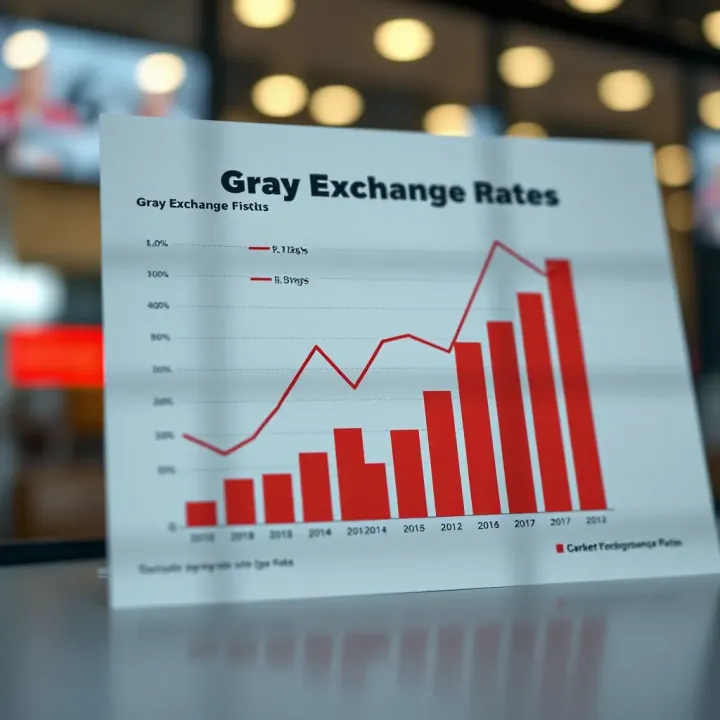
Governments sometimes set official exchange rates to control inflation or stabilize the economy. However, these fixed or managed rates rarely reflect the true supply and demand for a currency. When access to foreign currency is limited by regulation or shortages, people seek alternative sources. This demand pushes the gray exchange rate higher or lower than the official rate.
For example, in countries facing economic sanctions or hyperinflation—like Venezuela and Zimbabwe—the gray market exchange rate can be vastly different from the official one. Businesses needing to import goods or investors wanting to repatriate profits often rely on the gray exchange rate, despite the risks.
The existence of a gray exchange rate creates uncertainty, making it tough for businesses to price products or forecast costs. It can also fuel inflation, as higher import prices feed through to consumer goods. Investors may hesitate to enter markets where currency risks can't be hedged properly.
That said, some entrepreneurs and brokers thrive by operating in the gray market, offering liquidity where official channels fall short. Still, these transactions often lack legal protection and are exposed to sudden government crackdowns.
The bottom line is that the gray exchange rate reflects economic stress points—where official policies don’t meet market realities—leading to inefficiencies and risks for everyone involved.
Currency Controls: Limits on buying or moving foreign currency.
Inflation Pressure: High inflation erodes official currency value.
Political Instability: Uncertainty leads people to seek safer assets.
Market Access: Lack of foreign exchange availability in banks.
Understanding how these factors interact is crucial for traders and investors. Monitoring the differential between official and gray rates can serve as an early warning indicator of economic tension.
Next, we’ll cover the risks associated with gray exchange rates and how governments attempt to handle them.
Understanding what the gray exchange rate is and how it emerges is essential for anyone dealing with currency markets where official and unofficial rates coexist. This segment clarifies the difference between government-backed exchange rates and those operating in informal markets, which often affect pricing, investment decisions, and risk assessments.
The gray exchange rate refers to currency values set outside the government's official channels, often through informal or parallel markets. While the official rate is typically controlled by a central bank or monetary authority and is used for formal transactions like government trade or business imports, the gray rate floats freely and can differ significantly. For example, in countries with strict currency controls like Venezuela, the official rate might be artificially low to stabilize imports, whereas the gray market rate rises much higher, reflecting true supply and demand.
Common terms you'll hear around these markets include “black market rate,” sometimes used interchangeably with gray rate, though black markets might carry higher legal risks. Other phrases like “parallel market” or “free market rate” describe these unofficial rates where buyers and sellers negotiate exchange prices outside restrictions. Knowing these distinctions helps traders and analysts decipher real currency conditions versus government policies.
One big trigger for gray exchange rates is currency controls and capital restrictions. When governments limit how much foreign currency individuals or companies can buy or move, this creates a gap between official and actual market demand. If a business needs more dollars than the government allows, it often resorts to gray markets, paying a premium. Iran’s economy, for instance, has long struggled with strict dollar limits, fueling a thriving parallel exchange scene.
Political and economic instability also push currencies into gray market territory. When investors lose confidence due to unrest, sanctions, or deteriorating economic outlooks, official rates can become detached from reality. For example, during a political crisis, citizens might rush to swap local currency for dollars unofficially, causing the gray rate to spike as supply shrinks.
Lastly, supply and demand imbalances naturally arise when official prices don’t match market sentiment. If the official rate undervalues a currency, sellers prefer the gray market for better returns, leading to a persistent premium. This mismatch hurts businesses that must decide which exchange rate to accept, affecting everything from pricing strategies to financial forecasting.
Understanding these causes clarifies why gray exchange rates exist and why ignoring them can mislead market players.
In short, knowing the gray exchange rate’s definition and triggers equips traders, investors, and entrepreneurs with the insights to navigate volatile currency environments more confidently and avoid hidden pitfalls.
Gray exchange rates play a significant role in shaping economic realities and financial markets, often creating a gap between official currency values and real market sentiments. For traders, investors, and business owners, understanding this dynamic is key because gray rates affect everything from pricing and inflation to trade flows and investor trust. This section breaks down those impacts in practical terms.
When the gray exchange rate diverges significantly from the official rate, imported goods usually become more expensive on the parallel market. Take, for example, a country experiencing tight currency controls where the official exchange rate is $1 = 100 local units, but the gray rate is $1 = 200 local units. This discrepancy inflates the costs for importers who often have little choice but to use the gray market, passing higher prices onto consumers. In places like Venezuela or Zimbabwe, where the gap between official and gray rates has ballooned, everyday items like food and electronics can become unaffordable for many.
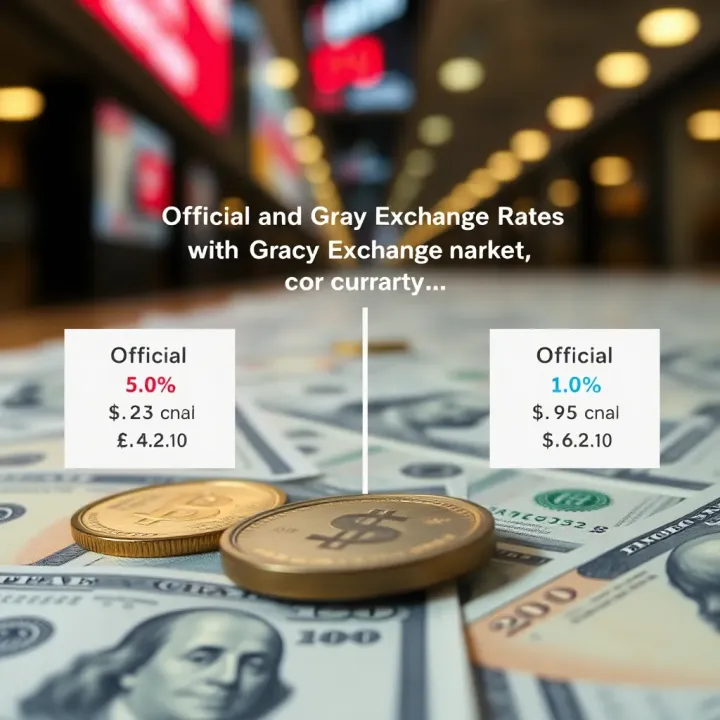
This mismatch also squeezes purchasing power for ordinary citizens since wages generally don’t keep pace with the actual cost of goods influenced by gray rates. Over time, sustained inflation tied to gray market valuations contributes to a cycle where consumers spend more of their income just to maintain basic living standards.
The presence of a thriving gray exchange market signals weakness in the official currency regime, shaking confidence in the local unit. When market participants start relying heavily on unofficial rates, it undermines the central bank's ability to control money supply and interest rates effectively. For instance, in Argentina, fluctuating gray rates have consistently challenged central bank policies aimed at stabilizing the peso.
This split between official and gray rates can escalate currency volatility. It might fuel capital flight as investors and savers convert local currencies into more stable foreign cash through unofficial channels. Such instability often forces governments to implement harsher currency controls, which ironically tend to widen the gray market even further.
A disconnect between gray and official rates complicates cross-border business. Importers face unpredictable costs since paying at gray rates inflates expenses, while exporters might find their revenues undervalued when repatriated at official rates. For example, a U.S. company sourcing supplies from an economy with a wide gray exchange gap must budget for sudden hikes, hurting profit margins.
Exporters also struggle because foreign buyers wary of currency risk might demand prepayment or switch suppliers. This trade friction slows down transactions and makes supply chains less reliable, pushing some businesses to avoid markets with large gray rate discrepancies altogether.
Gray exchange markets can spook investors looking for clarity and stability. If official rates don’t reflect market reality, evaluating a country’s economic health becomes guesswork. Fund managers examining opportunities in emerging markets heavily influenced by gray rates may hesitate due to unpredictable currency risks.
Such uncertainty can lead to reduced foreign direct investment and portfolio inflows. When investors fear sudden devaluations or policy shifts responding to gray market pressures, they tend to pull back capital or demand higher returns to compensate for risks, driving up borrowing costs for governments and companies alike.
Gray exchange rates distort economic signals, affecting inflation, trade, and investment in ways that official statistics often fail to capture. Recognizing this helps market participants make smarter decisions amid currency volatility.
Understanding these effects arms traders, analysts, and business leaders with the insights needed to navigate economies where gray rates shape financial outcomes daily.
The gray market for currency exchange poses numerous risks and challenges that traders, investors, brokers, and businesses must carefully consider. Operating outside official channels, these markets offer alternative exchange rates but bring considerable hazards, such as legal consequences, financial uncertainties, and fraud risks. Understanding these pitfalls is essential to safeguard financial interests and navigate currency volatility effectively.
Using gray market exchange rates exposes individuals and businesses to legal scrutiny and possible penalties. Many countries enforce strict currency controls to stabilize their financial systems. For instance, if a U.S. importer attempts to purchase foreign currency through unofficial channels to avoid official rates or taxes, they risk fines and enforcement actions by authorities, such as the Treasury Department or the IRS. Enforcement isn't uniform worldwide; some countries impose heavier sanctions than others, but the threat remains a real deterrent.
Failing to comply with currency regulations could also impact business licenses or result in asset seizures. Beyond legal consequences, these penalties often carry reputational damage, complicating future dealings with banks and financial institutions. Businesses must weigh whether the potential savings from lower gray market rates outweigh the risks of running afoul of the law.
Transactions conducted via gray market currency exchanges lack standardized pricing and reliable contract enforcement. Prices can fluctuate wildly within short periods, reacting to local demand-supply imbalances or political news. For example, a small business importing electronics might secure a better rate today but face a sudden price jump tomorrow, throwing costs and profits off balance.
Furthermore, since gray market rates aren't backed by official guarantees, disputes over payment amounts or delivery can stall indefinitely. Businesses depending on predictable cash flows and budgeting find such uncertainty risky. This volatile environment can deter long-term contracts, pushing firms toward more predictable, if costlier, official exchange channels.
Gray market exchange rates operate in shadow zones with scarce transparency. Pricing information often comes from informal networks or word of mouth, making it tough to ascertain if a given rate is fair or unusually favorable. Traders dealing in places like Venezuela or Zimbabwe where official rates are tightly controlled might hear rumors of better black-market rates but can’t verify them before transactions.
Without reliable benchmarks, individuals and businesses may unintentionally accept unfair rates, leading to hidden losses. This lack of clarity also hampers financial planning since predicting future currency values becomes guesswork rather than analysis grounded in market data.
"In gray markets, the absence of clear price signals means financial decisions carry a higher chance of unintended consequences."
Gray market currency exchanges are fertile ground for scams and counterfeit bills, particularly in countries with weak regulatory oversight. Unscrupulous dealers might provide fake currencies or refuse to deliver promised amounts after receiving payment. For example, reports from Myanmar's informal currency markets reveal cases where counterfeit dollars flooded circulation, undermining trust.
Lack of formal dispute resolution channels makes it hard to recover lost funds, increasing risk exposure. Businesses and traders using gray market rates must adopt stringent precautions, like verifying counterparty credentials and conducting transactions in secure environments. However, even with safeguards, the danger remains inherent and can wipe out gains swiftly.
Grasping these risks and challenges helps financial professionals and entrepreneurs make measured choices when interacting with gray market currencies. While these markets can offer short-term opportunities, the long-term uncertainties and hazards require careful navigation to avoid serious financial setbacks.
Governments play a key role in addressing gray exchange rates since these parallel markets often undermine the official currency system. Crafting effective policies helps reduce economic distortions and restore confidence in the national currency. When gray rates diverge significantly from official ones, governments typically react with a mix of regulations and monetary maneuvers aimed at reining in speculative pressures and currency arbitrage.
Enforcement strategies focus on cracking down on unauthorized currency trading that fuels gray markets. Governments often increase surveillance at currency exchange points, impose stricter licensing rules on money changers, and push financial institutions to report suspicious transactions tied to unofficial activities. For instance, Venezuela’s government has periodically tightened controls and levied fines on businesses caught engaging in unauthorized currency exchanges to deter gray market operations. This enforcement helps curb illegal currency flows but can lead to unintended bottlenecks or incentivize even darker black market channels.
Adjustments to official exchange rates serve as another government tool to reduce the appeal of gray markets. By making official rates more reflective of actual market demand, authorities decrease incentives for parallel trading. For example, Nigeria has periodically realigned its official exchange rate to narrow the gap with the parallel market, easing pressure on importers and businesses. However, simply adjusting rates without broader economic reforms risks short-term fixes that don’t fully address underlying currency imbalances.
Central bank interventions include measures such as direct market purchases or sales of foreign currency to stabilize exchange rates. These interventions signal government commitment to controlling volatility and can smooth out sharp jumps in unofficial rates. Take Argentina, where the central bank has frequently injected dollars into the market in response to rapid currency depreciations, attempting to stabilize its peso and combat parallel rate spikes. Such actions, though effective short-term, require solid foreign reserves to be sustainable.
Maintaining foreign currency reserves is critical for these interventions to work. Sizable reserves give governments the ability to meet demand for foreign currency, discouraging unofficial exchanges. Saudi Arabia’s vast reserves have allowed it to defend its pegged currency effectively, reducing gray market pressure. Without adequate reserves, however, central banks risk running out of ammunition, which can erode market confidence and push traders back to gray rates.
Governments face a balancing act: control gray exchange rates without stifling legitimate trade or depleting resources. Coordinated regulatory and monetary policies are often the best path to stabilizing currency markets and minimizing gray market distortions.
By understanding these policy tools, traders and businesses can better anticipate government responses and adjust their strategies accordingly.
Understanding gray exchange rates is vital for anyone navigating currency markets where official and unofficial rates coexist. These parallel rates can directly affect how much you actually pay or receive in currency exchanges, impacting both daily expenses and larger financial transactions. For example, a small business importing goods might find its profit margins squeezed if the gray market rates deviate sharply from official rates, which are often fixed or controlled.
Navigating this complex environment requires more than just knowing the rates; it involves weighing the real risks and potential benefits. Traders and investors must consider how these unofficial rates reflect underlying market pressures that official figures might mask. Being informed allows you to make smarter decisions whether you’re converting currency for travel expenses, managing international contracts, or timing investments.
Dealing with gray market currency exchanges often means facing uncertain conditions. The main advantage is usually a better rate than the official currency exchange, but this comes with risks. Legal restrictions in many countries can mean penalties or loss of funds if transactions aren’t carried out properly. Plus, gray markets expose you to lack of regulation, making it easier to fall victim to scams or counterfeit money.
That said, some businesses and individuals choose the gray market because official channels might have limits on amount or accessibility. The key is to assess how much risk you can tolerate. For instance, a local import shop might rely on gray market rates to stay afloat but still needs a solid plan to mitigate potential losses from rate fluctuations or fraud.
Finding a trustworthy gray market exchanger is a challenge. Unlike banks or licensed money changers, these sources don’t have formal oversight. Trust usually builds on reputation within the community or feedback from reliable contacts. For example, some traders rely on local networks or referrals to verify that an exchanger is legitimate and offers consistent rates.
It's worth noting that some gray market exchangers operate as informal agents rather than outright shady dealers. Still, verifying their honesty means checking for consistency in pricing, clear transaction records, and maybe small test exchanges before committing larger sums. Protecting yourself means treating gray market dealings with the same caution as any significant financial transaction.
Since gray exchange rates can fluctuate dramatically, using hedging strategies helps protect your finances. These strategies might include forward contracts or options that lock in current rates for future transactions. While these tools are more common in formal markets, some local financial institutions offer products aimed at minimizing exposure to currency swings even where gray markets dominate.
For example, an exporter in a country with restricted currency flow might use such contracts to stabilize earnings in dollars despite daily changes in gray market rates. Though hedging can mean extra costs, it often outweighs the risk of dramatic losses when the unofficial rates shift rapidly.
The gray market doesn’t follow official announcements or fixed schedules, so timing becomes even more critical. Constantly monitoring rate changes through reliable sources allows traders and businesses to exchange currency when the margins are more favorable. Some market players use mobile apps, local market updates, or insider tips to stay ahead.
Imagine an entrepreneur who notices that the gray rate typically dips midweek due to supply constraints easing. By timing payment disbursements or currency conversions around these predictable trends, they can save significant money over time. Staying attentive and responsive to these movements is a practical way to deal with the inherent volatility.
The bottom line is that understanding gray exchange rates gives you a real advantage in managing financial risks and seizing opportunities in markets where official rates don’t tell the whole story.
Learn how binary multiplication works, its key methods, and applications in digital devices. Discover how it compares with decimal maths and its role in software development 💻⚙️

Explore binary implementation basics and practical uses in computing, software, and communications systems 💻📊. Learn structures, processing, and common solutions.
🔢 Master binary addition basics, understand carry rules, and see its role in processors and algorithms. Essential for computing and digital electronics!
Learn how to subtract binary numbers manually and with a binary subtraction calculator 🔢, boosting your tech skills for computing and digital electronics in Nigeria 🇳🇬.
Based on 8 reviews