
Understanding Binary Multiplication Basics
Learn how binary multiplication works, its key methods, and applications in digital devices. Discover how it compares with decimal maths and its role in software development 💻⚙️
Edited By
Ethan Mitchell
Gold's price per gram is a moving target, shaped by a mix of global and local forces. It’s not just about the shiny metal itself, but economic signals, market demand, and even geopolitical events that push numbers up or down.
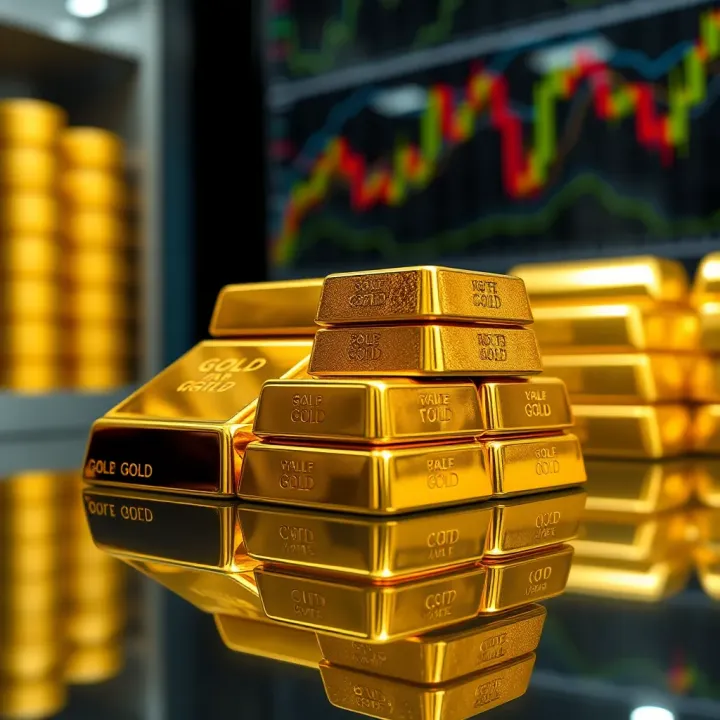
Global Economic Conditions: When things get shaky—think inflation spikes or recession fears—investors often flock to gold as a safe store of value, driving prices higher.
US Dollar Strength: Since gold is priced mainly in USD, a weak dollar typically means gold gets pricier for buyers using other currencies.
Interest Rates: Low interest rates make gold more attractive compared to interest-bearing assets, nudging its price up.
Supply and Demand: Mining production and central bank sales affect supply, while jewelry demand and investment interest tweak demand.
Gold prices you see quoted are usually for a troy ounce (31.1 grams). To get the price per gram, divide the ounce price by 31.1. For example, if gold is trading at $1,870 per ounce, then its per gram price is roughly $60.13.
Buyers should also consider premiums charged by dealers. These add-ons cover refining, distribution, and profit margins. For instance, a gold coin’s per gram price often runs higher than the raw bullion spot price.
The bottom line is that the price per gram reflects not only raw gold value but also market sentiment and costs tied to product form.
Commodity Exchanges: The COMEX and London Bullion Market Association provide up-to-the-minute spot prices.
Financial News Sites: Bloomberg, Reuters, and CNBC regularly report gold market shifts.
Bullion Dealers: Trusted dealers often post live pricing, factoring in current premiums.
Track spot prices daily to spot trends.
Understand dealer premiums before buying.
Consider timing purchases around market dips.
Keep an eye on economic indicators like CPI reports or Fed announcements that affect gold’s appeal.
This straightforward knowledge serves as a foundation to make informed decisions in trading or investing in gold. Knowing how prices form and where to watch for changes puts you ahead of the curve.
Understanding how the price of gold per gram is set helps traders, investors, and brokers make more informed decisions. Gold prices fluctuate throughout the day due to various market factors, and knowing how these numbers are derived provides insight into timing purchases or sales. This knowledge also clarifies why prices vary between sources despite referencing the "same" gold.
The spot price represents the current market price at which gold can be bought or sold for immediate delivery. It's essentially the benchmark for all gold transactions worldwide. For example, if the spot price of gold is $1,950 per ounce at 10:00 AM EST, all sellers will generally use this as their baseline for pricing.
That said, the spot price alone doesn’t include premiums, storage fees, or dealer markups, but it’s the starting block for valuation. It mirrors market sentiment in real-time, reacting swiftly to economic news, currency shifts, or geopolitical events.
Several indexes track or influence gold pricing, like the London Bullion Market Association (LBMA) Gold Price and the COMEX futures prices. These indexes provide standardized references commonly used by contracts and financial instruments.
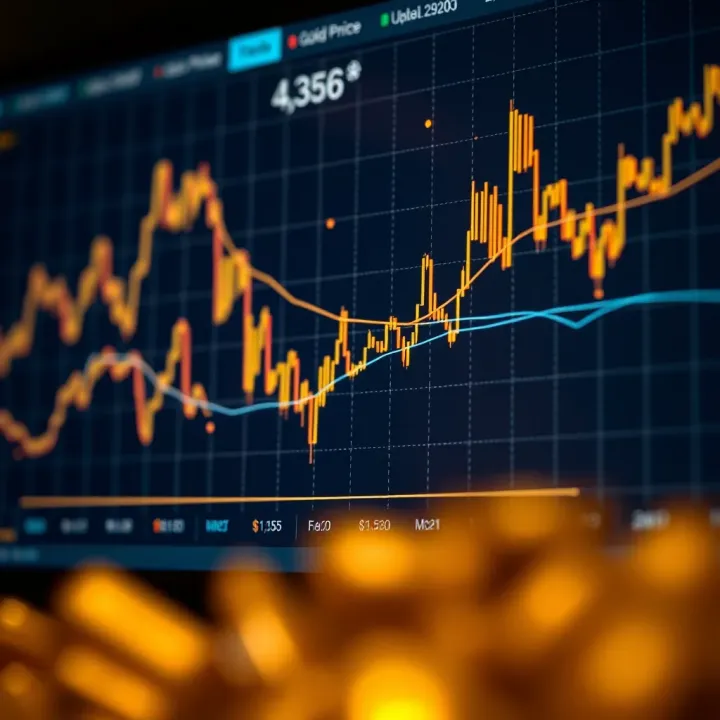
The LBMA Gold Price, for instance, is set twice daily in London through an electronic auction process. Traders watch these indexes closely to track trends and benchmark their trades. Using these indexes helps keep buy and sell prices transparent amid global demand.
In the U.S. and global markets, gold is typically quoted by the troy ounce, where one troy ounce equals about 31.1035 grams. This unit might seem odd compared to the common ounce (28.35 grams), but the troy weight system has been the standard for precious metals for centuries.
Knowing this is essential because if your dealer quotes prices per ounce, you’ll need to convert that to grams to understand costs for smaller quantities or jewelry.
The conversion is simply dividing the ounce price by 31.1035. For example, a spot price of $1,950 per troy ounce means the price per gram is roughly $62.68 ($1,950 ÷ 31.1035).
This straightforward math enables buyers and investors to compare prices easily and determine fair rates when purchasing gold in smaller weights. It also helps brokers quote accurate prices in markets where gram pricing is preferred.
Knowing the spot price, relevant indexes, and how to convert units equips you with the practical tools to gauge gold’s value effectively before buying or trading.
Knowing where to check current gold prices is key for anyone involved in buying, selling, or trading gold. Prices can change quickly due to market swings, so accessing accurate and timely information helps you make smart decisions. Whether you’re a trader monitoring trends or an investor deciding when to buy, reliable sources let you keep a real-time finger on gold’s value.
Financial news websites serve as a quick and convenient way to track gold prices alongside wider economic news that often impacts those prices. Platforms like CNBC, Bloomberg, and Reuters provide live updates on gold’s spot price, market analysis, and reports on factors like currency fluctuations or inflation data. These websites often include interactive charts and historical data, helping you understand how today’s price fits into longer trends.
For example, watching a CNBC update during a Federal Reserve announcement can give you a heads-up on immediate gold price movements, as such events tend to affect investor confidence and currency strength.
Commodity market platforms focus specifically on precious metals and provide even more detailed pricing info. Services like Kitco Market and COMEX trade boards show live gold pricing per ounce and gram, often with breakdowns by purity levels or delivery locations. These platforms also feature active market discussions, giving insights from other traders and analysts that can better inform your strategies.
Such platforms usually offer tools to set price alerts or track futures contracts, vital for those who want to act swiftly based on price shifts. Using these resources alongside financial news gives a fuller picture of gold’s market dynamics.
Local bullion dealers provide a direct link to physical gold trading and often set prices slightly above the online spot price to cover costs and profit margins. These dealers base their prices on current market rates but also consider factors like demand in their area and the premiums on coins or bars.
For instance, a Detroit dealer might price gold slightly differently than one in Dallas due to local demand, storage expenses, or supply chains. Visiting local dealers can also help you gauge the premiums you’ll pay over spot price when buying physical gold, an essential consideration for collectors or investors looking to own tangible assets.
Jewelers and retail outlets influence gold pricing on the consumer level, especially for jewelry rather than bullion. Retail prices often include craftsmanship, design fees, and other markups beyond the gold’s raw value. These costs fluctuate depending on market demand for luxury goods and trends in fashion.
When buying from jewelers, it’s useful to separate the cost attributed to gold’s weight from the artistic and brand premiums. Keeping track of retail price changes alongside spot prices can uncover moments when jewelry purchases might offer more or less value compared to bullion investments.
Staying connected with both online price tracking and local market conditions equips you to spot opportunities and avoid overpaying in gold transactions.
The bottom line is that combining the accuracy of trusted online sources with the real-world insights from local dealers and jewelers offers a well-rounded view of gold pricing today.
Several elements play a direct role in shaping the price of gold per gram at any given moment. Understanding these factors helps investors and traders make informed decisions by linking market movements to real-world influences. The price doesn’t just reflect gold's rarity but responds actively to economic signals, supply-demand changes, and geopolitical events.
Inflation rates impact gold prices because gold acts as a store of value. When inflation ticks upward, the purchasing power of paper money drops, pushing investors to shift toward assets like gold that tend to retain value better over time. For instance, during the inflation surge of the 1970s, gold prices soared as people bought gold to hedge against rising living costs. Today, if the Consumer Price Index (CPI) shows inflation climbing beyond the Fed’s target, traders often expect gold prices to react upward shortly after.
Currency strength, especially the US dollar, also sways gold pricing. Since gold trades globally in US dollars, a stronger dollar makes gold more expensive in other currencies, usually reducing demand outside the U.S. Conversely, a weaker dollar tends to lift gold prices as it becomes cheaper for foreign buyers. For example, when the dollar slid in early 2022, gold prices found support, reflecting this inverse relationship clearly.
Investment demand trends directly influence how gold is priced per gram. When stock markets hit rough patches or bond yields fall, investors turn toward gold as a safer haven, pushing prices up. Conversely, during bull markets, the allure of higher returns in equities can reduce gold's pull, softening prices. ETF holdings measured by platforms like Bloomberg can signal changing investor appetite, affecting short-term price moves.
Jewelry and industrial use account for a significant slice of gold demand. In countries like India and China, festivals and weddings boost jewelry buying seasonally, creating predictable demand spikes. Plus, gold's excellent conductivity and resistance to corrosion make it valuable in electronics, especially smartphones and medical devices. Fluctuations in these sectors’ demand can subtly shift gold’s price, especially at the gram level, when aggregated globally.
Political instability impact often drives gold prices up, as uncertainty pushes investors toward safer assets. Take tensions in the Middle East or trade conflicts between superpowers — such events increase risk perception, prompting a flight to gold. This is why prices can jump amid news of geopolitical unrest, even without changes in supply or economic numbers.
Central bank policies and reserves further shape gold's price landscape. When central banks, like the Federal Reserve or the European Central Bank, adjust interest rates, it affects gold indirectly through currency valuations and inflation expectations. Additionally, large gold reserves held or released by major central banks can move the market. For instance, when Russia and China boosted their gold reserves in recent years, it signaled strong demand from these state actors, supporting prices globally.
The bottom line is that gold's price per gram doesn’t move in isolation. It ties closely to economic trends, marketplace behaviors, and global political dynamics, all of which influence whether gold climbs or dips on any given day.
When you're thinking about buying gold by the gram, understanding the practical aspects can save you money and headaches. This section breaks down important factors like purity, certification, transaction fees, and storage costs. These points aren't just technical—they affect the value and security of your purchase. After all, you're investing in a tangible asset, so making informed choices is key.
Understanding karats and fineness is the first step. Gold purity is usually measured in karats or fineness—for example, 24-karat gold is nearly pure (99.9%), while 18-karat gold contains 75% pure gold with other metals mixed in. Knowing this helps you compare prices fairly since pure gold commands a higher price. Imagine buying a 1-gram pendant labeled 18K gold; you’re really paying for 0.75 grams of pure gold plus the craftsmanship and alloy metals.
Certification plays a critical role here. When gold is certified, it means an independent lab has tested it to confirm its purity and authenticity. Certification and assaying often come from reputable institutions such as the International Gemological Institute (IGI) or the American Gem Society (AGS). This peace of mind is especially relevant if you plan to resell or insure your gold later. Without certification, the risk of counterfeit or lower-quality gold increases, which could cost you dearly.
Premiums over spot price are a reality for buyers. The spot price reflects the market value of pure gold at a point in time, but when you buy physical gold, dealers often charge a premium. This premium covers refining, minting, handling, and dealer markup. For example, buying a 1-gram gold coin might cost 3-5% over the spot price. It's a good idea to compare premiums across dealers; a low premium can have a big impact on your total investment cost.
Safe storage options and costs are often overlooked but crucial. Gold must be stored securely to avoid theft or damage. Common options include home safes, bank safety deposit boxes, or third-party vault services specializing in precious metals. Each comes with varying fees and levels of convenience. For instance, a bank's safety deposit box rental might cost $50-$150 annually, while premium vault storage can be a few hundred dollars per year but includes insurance. Choosing the right storage depends on how much gold you own and your risk tolerance.
Bottom line: understanding purity, certification, premiums, and storage ensures you protect your investment and get the value you expect when buying gold by the gram.
Learn how binary multiplication works, its key methods, and applications in digital devices. Discover how it compares with decimal maths and its role in software development 💻⚙️

Explore binary implementation basics and practical uses in computing, software, and communications systems 💻📊. Learn structures, processing, and common solutions.

🔢 Master binary addition basics, understand carry rules, and see its role in processors and algorithms. Essential for computing and digital electronics!
Learn how to subtract binary numbers manually and with a binary subtraction calculator 🔢, boosting your tech skills for computing and digital electronics in Nigeria 🇳🇬.
Based on 8 reviews