

Key Forex Trading Strategies for Nigerian Investors
Discover forex trading tactics every Nigerian investor needs 📈. Learn to master market moves, risk tactics, and analysis that'll up your trading game.
Edited By
Amelia Foster
Forex scalping thrives on speed and precision. So, when you're picking a broker, your main focus should be on how well it supports these needs. Scalpers open and close positions within minutes, sometimes seconds, chasing tiny gains. This means even minor delays or wider spreads can eat away at your profits.
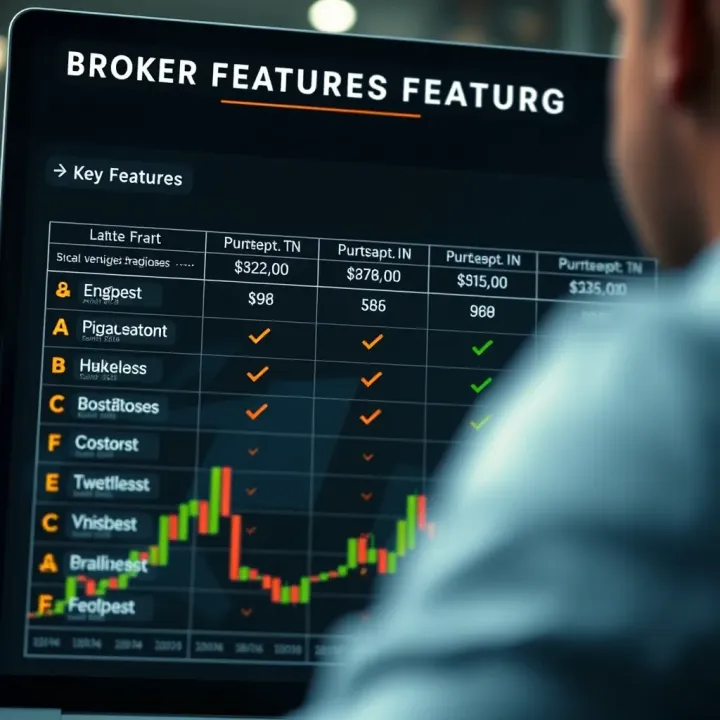
Low Spreads: Since scalping targets small price moves, lower spreads directly boost profitability. Look for brokers offering spreads under 1 pip on major currency pairs like EUR/USD or USD/JPY.
Fast Execution: Orders must be executed instantly with minimal slippage. Brokers using Electronic Communication Networks (ECN) typically provide faster, more direct order routing.
Reliable Platforms: Your trading software should handle rapid order entries without lag or crashes. Popular platforms like MetaTrader 4 (MT4) or cTrader are favored for scalping, but check if your broker optimizes them.
Flexible Leverage: Higher leverage increases potential rewards but raises risk. Brokers offering adjustable leverage let scalpers calibrate exposure according to their strategy.
Minimal Restrictions: Some brokers forbid scalping or impose minimum holding times, which defeats the purpose. Confirm your potential broker explicitly supports scalping.
Market Makers: They take the opposite side of your trades and may widen spreads or reject rapid trades. Scalpers often avoid these brokers.
ECN Brokers: They connect traders directly to liquidity providers, offering tighter spreads and quicker execution—ideal for scalping.
STP Brokers: Straight-Through Processing brokers forward orders to liquidity providers without intervention. Their suitability depends on execution speed and spread conditions.
Remember: The bottom line is your scalping edge depends heavily on brokerage quality. Don’t settle for flashy ads; test the broker’s demo or micro accounts to gauge real-world conditions.
Hidden Fees: Commissions, withdrawal charges, or inactivity fees can erode gains.
Server Location: Brokers with servers near major forex hubs (London, New York) reduce latency, improving trade execution times.
Customer Support: Fast, knowledgeable support is vital if technical issues impact your trades.
By keeping these factors front and center, you’ll be equipped to choose a broker that really backs your scalping efforts rather than slowing them down.
Forex scalping thrives on quick, small trades that add up to meaningful profits over time. This method isn’t about waiting for large market moves but about grabbing tiny price differences repeatedly. To put it simply, successful scalping is about precision, speed, and consistency rather than big wins from the occasional trade.
Scalping involves making fast trades—typically lasting seconds to minutes—aiming to profit from small price fluctuations in highly liquid currency pairs like EUR/USD or USD/JPY. Unlike swing or position trading, scalpers rely on repeated quick entries and exits. For example, a scalper might target a 3 to 5 pip gain per trade but might place dozens of trades throughout the day.
Scalpers operate within very short time frames, usually 1-minute to 5-minute charts. This allows them to spot micro price movements and react swiftly. Trade durations can be as short as 10 seconds to a few minutes. This speed requires brokers who can execute orders almost instantly to avoid slippage and missed opportunities.
Scalping holds a unique risk profile: the profit per trade is small, so risk management is critical. A typical scalper keeps tight stop losses to limit losses to, say, 2 to 3 pips. Taking larger risks per trade can quickly undo many small wins. The goal is steady gains, not sporadic big payouts. This means the broker’s costs and execution quality impact the bottom line heavily.
When scalping, milliseconds count. Slow execution could mean your entry or exit price shifts, turning a small win into a loss or pushing you into slippage. Brokers with high latency or slower servers put scalpers at a disadvantage. For instance, some ECN brokers connect directly to liquidity providers, offering near-instant execution, which is vital for snatching those tight price windows.
Every pip counts when profits target small price moves. Brokers with wide spreads can wipe out scalping profits rapidly. Some offer fixed spreads, which give predictability, while others have variable spreads that may widen in busy markets. Additionally, some brokers charge commissions per trade, which must be factored into total costs. Scalpers should carefully compare these fees to ensure trades remain profitable after costs.
Bottom line: Choosing the right broker with fast execution and low trading costs isn't just an advantage for scalpers—it’s essential to their success.
When scalping in the forex market, picking a broker with the right features can make or break your strategy. Scalpers thrive on razor-thin margins, so everything from spread costs to execution speed has a direct impact on profits.
Fixed spreads stay constant regardless of market conditions, which at first glance seems easier for planning trades. But during volatile times, fixed spreads can widen dramatically as brokers protect themselves, sometimes making them less attractive for scalping. On the other hand, variable spreads fluctuate based on market liquidity and volatility, often shrinking during calm periods to offer tighter pricing. For scalpers, variable spreads from top brokers like OANDA or Forex.com tend to cost less overall under normal market conditions.
Every pip counts when you're holding positions for seconds or minutes. If the spread is wide, a scalper must overcome that cost quickly to stay profitable. For example, a 3-pip spread means needing a 4-pip gain just to break even, which eats into margin for error. Brokers such as IG and Interactive Brokers provide some of the tightest spreads, sometimes below 0.5 pips on major pairs. Choosing a broker with consistently low spreads directly improves your chances of locking in small yet frequent gains.

Speed really matters in scalping since every millisecond delay reduces your entry and exit precision. High latency – the lag between order placement and execution – can result in slippage or missed opportunities. Forex brokers with servers located close to major financial centers and strong network infrastructure, like IC Markets, are preferred. They tend to offer execution speeds under 100 milliseconds, giving scalpers an edge.
Not all broker execution models serve scalpers well. Market makers may offer instant execution but might trigger re-quotes during fast moves. ECN brokers route orders directly to liquidity providers, minimizing conflict of interest and slippage, which is preferred for scalping. Also, the availability of advanced order types (like limit, stop, or trailing stops) allows scalpers to automate entries and exits more effectively, freeing them from watching screens every second.
Regulators like the CFTC and NFA in the US cap leverage at 50:1 or lower on major currency pairs. While some offshore brokers offer much higher leverage, the risk becomes significant. American scalpers must navigate these limits while finding brokers compliant with SEC and CFTC rules, such as OANDA or TD Ameritrade.
Leverage magnifies gains but also losses, especially in a strategy involving many quick trades. Using leverage too high means a few bad trades can wipe out profits fast. Smart scalpers often stick to moderate leverage—say, 10:1 or 20:1—to keep risk manageable. The bottom line is choosing a broker that offers flexible leverage options so you can tailor it to your risk tolerance without being forced into unsafe levels.
Choosing the right broker means prioritizing tight pricing, swift execution, and leverage options that fit your trading style. These features collectively help scalpers stay nimble, profitable, and in control.
Choosing the right type of forex broker can make a big difference when scalping. Scalping depends heavily on speed, spreads, and execution reliability, so understanding broker models helps you pick one that matches your trading style. Two main categories often come up: Market Maker brokers and ECN brokers. They operate differently, so you’ll want to know what fits your needs best.
Market Maker brokers create a market for traders by taking the opposite side of your trade. Think of them as the middlemen who set the prices internally, not always directly reflecting the broader market. This can allow tighter spreads but sometimes at the cost of execution transparency.
ECN (Electronic Communication Network) brokers connect traders directly to other market participants, such as banks or other traders, without intervening in pricing. Trades are executed on real market prices with variable spreads reflecting ongoing market conditions. This setup tends to appeal to scalpers who want raw, fast access to the market.
Market Makers often offer fixed spreads and less slippage, which might look good at first. However, because they control price setting, a scalper’s profit can be affected if the broker’s interests clash with the trader’s.
ECN brokers, meanwhile, allow scalpers to benefit from tighter spreads during active market hours but with variable pricing that can spike in volatile moments. Execution speed on ECN platforms is usually faster, which is critical for scalping’s rapid trades.
Dealing Desk (DD) brokers handle trades internally, which means they might delay or reroute executions to manage risk. That can slow down how quickly your scalping orders fill and introduce uncertainty about price fairness.
No Dealing Desk (NDD) brokers pass orders directly to the external market, promising quicker execution and more transparent pricing. This direct access generally means less latency and more authentic tick data — a big plus for scalping strategies relying on split-second decisions.
With Dealing Desk brokers, a conflict can happen because the broker might profit when traders lose. This can affect spreads, execution speed, and order rejection, which aren’t ideal for scalpers working on tight margins.
NDD brokers usually avoid this conflict by earning through commissions or variable spreads, not by opposing their clients. This setup encourages a fairer trading environment, though traders might pay a bit more in fees.
Bottom line: Scalpers need brokers who prioritize execution speed and fair pricing. ECN and NDD brokers generally offer structures better suited for quick trades, while Market Makers and DD brokers can be a hit or miss depending on your exact scalping approach.
Understanding these broker types will guide you toward a platform that supports your scalping demands effectively, saving you time and money in the long run.
Finding the right broker for scalping isn’t just about low spreads and fast execution. Certain extra features and factors really make a difference — they can boost your trading efficiency and help manage risks better.
Charting and Technical Analysis Support
Good charting software and technical analysis tools are a must-have for scalpers who make quick decisions. Platforms like MetaTrader 4 (MT4) or cTrader offer multiple chart types, customizable indicators, and real-time data feeds. For example, being able to quickly draw trend lines or apply moving averages helps traders spot short-term trading opportunities faster.
Customization and Automation Capabilities
Scalping often demands precision and speed. Brokers providing the ability to customize trading interfaces or use Expert Advisors (EAs) for automation give a clear edge. Automation can execute predefined scalping strategies in milliseconds, reducing human errors and delays. For instance, an EA programmed for scalping on EUR/USD can open and close trades faster than manual input, crucial when seconds count.
Response Time During Market Hours
When markets move rapidly, a delayed response from support can cost real money. Brokers that offer quick, knowledgeable support during market hours can help resolve technical glitches or questions promptly. Say your platform crashes just before a major news release; fast help can be a lifesaver.
Multi-Channel Support Availability
Offering support through chat, phone, email, and even social media ensures traders can reach help in whichever way suits them best. For example, if a scalper is on the go, a quick chat on a mobile app beats waiting for email replies. Having multiple channels avoids frustrating delays and keeps trades moving smoothly.
Licensing Authorities to Trust
A broker regulated by respected bodies like the U.S. Commodity Futures Trading Commission (CFTC), the National Futures Association (NFA), or the U.K.’s Financial Conduct Authority (FCA) provides traders with a safety net. These organizations enforce standards that protect clients’ funds and promote transparency.
Reviews and Industry Standing
Checking broker reviews from trusted financial publications and communities like Forex Peace Army or Trustpilot gives insight into real user experiences. Reputation matters, especially when scalping relies on execution quality. A broker known for slippage or order rejections isn’t worth the risk.
The bottom line is that scalpers should go beyond just headline features — thorough evaluation of platform robustness, support, and trustworthiness makes a tangible difference in trading success.
Choosing the right broker for scalping boils down to more than just checking the fine print on spreads or the platform's bells and whistles. It’s about thoroughly testing how the broker performs under real conditions and understanding the full cost structure you’ll face. Without careful evaluation, you risk getting stuck with a broker that slows your trades, racks up unexpected fees, or outright restricts your scalping strategy. Here’s how to make an informed choice.
Demo accounts give you a risk-free playground to check how quickly and reliably a broker executes orders. Scalping thrives on speed, so delays or slippage can turn profitable trades into losses. When using a demo, focus on how the platform handles rapid-fire orders. For example, if you place 10 trades in five minutes, does the platform process them flawlessly, or do you notice lag? This detail matters — a few milliseconds can make or break your scalping edge.
Besides speed, test the platform's stability. Does it freeze up during volatile market moments? Are chart updates real-time and responsive? For instance, MetaTrader 4 and 5, along with cTrader, offer robust tools favored by many scalpers, but individual broker server stability can vary widely.
Next, try mimicking your actual scalping conditions on a demo. That means trading your typical lot sizes, using your strategies, and seeing if the broker’s liquidity and spread conditions hold up. Some brokers widen spreads during market news or volatile moments, which can kill scalping profits. Running through a simulated news event during your demo test can reveal this.
Also, test different order types and stop losses to ensure the broker supports your chosen approach. For example, if you rely on instant execution and precise stop levels, make sure the demo reflects that capability accurately. This hands-on check saves headaches before putting real money on the line.
Scalpers make dozens or even hundreds of trades daily, so every penny counts. Total trading costs include not only the visible spread but also commissions and swap fees. A broker offering a tight spread but high commissions might end up costing more per trade.
Say a broker charges a 0.1-pip spread plus a $7 commission per 100K traded. Meanwhile, another offers a 0.5-pip spread with zero commission. Calculating the total cost per trade for your average size can quickly show which is cheaper in practice. Often, the all-in cost matters more than the advertised spread.
Some brokers slip in additional fees that scalpers overlook until it’s too late. These can include inactivity fees, withdrawal charges, or deposit minimums. For instance, a broker might charge a $50 withdrawal fee or require a minimum deposit that ties up your capital.
Make a habit of scrutinizing the fee schedule to spot such surprises. Watch out for unusual conditions like increased spreads during volatile times or prohibitions on certain trade types that can indirectly raise costs. These hidden fees might be small per trade but add up quickly given the scalping volume.
Not all brokers welcome scalpers with open arms. Some explicitly ban scalping or impose minimal trade durations that contradict your strategy. For example, a broker might require trades to stay open for at least 15 seconds or restrict order modifications.
Reading the terms of service carefully can prevent nasty surprises like account freezes or trade rejections. If scalping is your method, select a broker whose rules clearly support fast, frequent trades without restrictions.
Understanding withdrawal procedures is vital. A broker with slow or complicated withdrawal processes can tie up your funds unnecessarily. For example, if your strategy generates steady profits, but it takes weeks to access your money, that’s a problem.
Also, check how orders are processed, especially during volatile times. Some brokers might change execution policies or widen spreads, which affects trade outcome. Knowing these policies upfront lets you adjust your trading or switch brokers before losses pile up.
The bottom line is that a well-chosen broker not only offers competitive costs and fast execution but also aligns with your trading style and transparency needs. Taking time to test and read the fine print saves time, money, and frustration in the long run.
Discover forex trading tactics every Nigerian investor needs 📈. Learn to master market moves, risk tactics, and analysis that'll up your trading game.

Ready to start forex trading in Nigeria? Learn essential steps, choose brokers wisely, manage risks, and build solid strategies for profitable trading 📈💰

💰 Learn how Nigerian traders can make steady income with forex trading. Get practical tips on starting out, smart strategies, managing risks, and local market pointers.

🤑 Start your forex trading journey in Nigeria with practical tips on markets, brokers, risk management, and tools tailored for Nigerian traders and economic realities.
Based on 15 reviews