

How Binary Search Works: A Simple Explanation
📚 Learn how binary search works! Explore its steps, uses, and why it’s a smart choice for quickly finding items in sorted data 📊🔍
Edited By
Edward Collins
Binary fission is the main way an amoeba reproduces. In essence, the single-celled amoeba splits into two identical cells, each carrying the same genetic material as the original. This makes binary fission a straightforward, efficient method of growth and population increase.
Unlike multicellular organisms that rely on complex reproductive systems, an amoeba’s process is pretty direct. First, its nucleus duplicates the DNA. Once the genetic material copies are ready, the cell elongates, and the nucleus divides. Then, the cytoplasm splits evenly, creating two daughter cells. Each daughter cell then continues functioning independently as a complete amoeba.
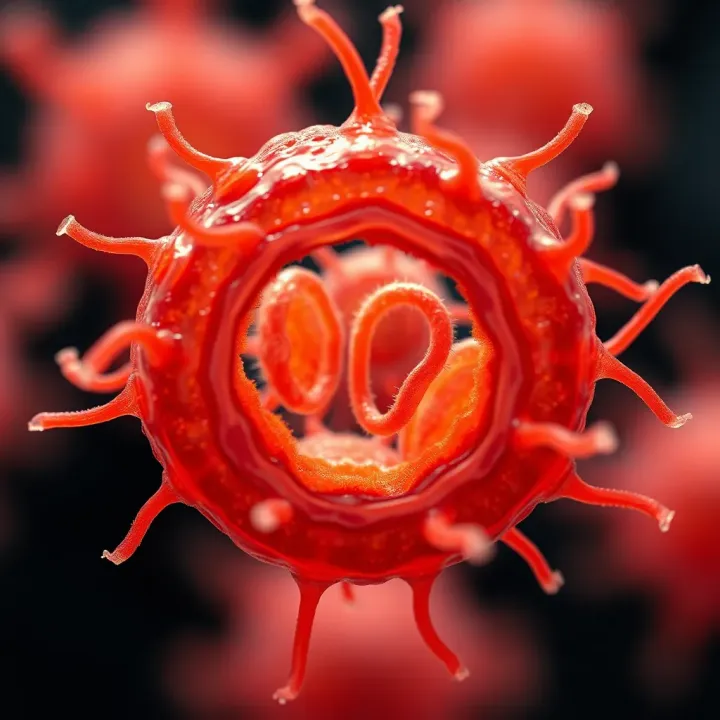
This type of reproduction has several practical advantages. For one, it happens quickly, allowing amoebas to multiply rapidly in favorable conditions. If the environment provides enough nutrients and no threats, a single amoeba can turn into thousands in a short timeframe.
The speed and simplicity of binary fission keep amoeba populations adaptable, ensuring they take advantage of changing environments.
From a biological perspective, binary fission involves these key steps:
DNA replication – The amoeba duplicates its genetic code.
Nuclear division – The nucleus splits into two.
Cytokinesis – The cell’s main body divides into two parts.
Compared to other single-celled organisms, amoebas perform binary fission similarly to bacteria, though the details may vary. Unlike some protozoans that reproduce sexually or through multiple fissions, amoebas primarily stick to this asexual method.
For those invested in biological sciences or even biotech entrepreneurship, understanding this process matters beyond just academic curiosity. For example, knowing how simple organisms multiply can inform models of population dynamics or even inspire new ways to manage microbial growth in industries like wastewater treatment or pharmaceuticals.
In summary, binary fission in amoebas is a straightforward, rapid, and effective way for these organisms to reproduce. Its simplicity contrasts clearly with more complex forms of cell division, making it a cornerstone concept in cell biology and microbiology.
Binary fission is the cornerstone of how amoebas reproduce and sustain their populations. For anyone studying simple life forms or microbial growth, understanding this process sheds light on how single-celled organisms multiply and thrive efficiently. This section breaks down what binary fission entails and why it's critical for amoebas' survival and adaptability.
Asexual reproduction happens when an organism creates a genetically identical copy of itself without needing to mate. In amoebas, this means a single parent cell splits into two daughter cells, each carrying the same genetic information. This is a streamlined approach that doesn’t involve the complexity or time of sexual reproduction.
The practical value? It allows amoebas to multiply fast, especially when conditions are right. For example, in a nutrient-rich pond, a single amoeba can quickly turn into dozens, flooding the environment with clones ready to seize available resources.
Binary fission is essentially a one-step replication and division process that's perfectly suited for single-celled life. It demands minimal energy compared to sexual reproduction because the organism simply copies its DNA and splits. This is a big advantage for tiny cells like amoebas, which need to balance speed and resource use.
Because the cells produced are exact copies, the process ensures that successful genetic traits pass unchanged to offspring. While this limits genetic diversity, it guarantees stability and consistency in traits that have proven effective in their current environment.
Amoebas are simple, single-celled organisms often found in freshwater environments. They don't have a fixed shape — instead, they constantly change form using extensions called pseudopodia to move and engulf food. This flexibility and simplicity make amoebas ideal for studying fundamental biological processes like binary fission.
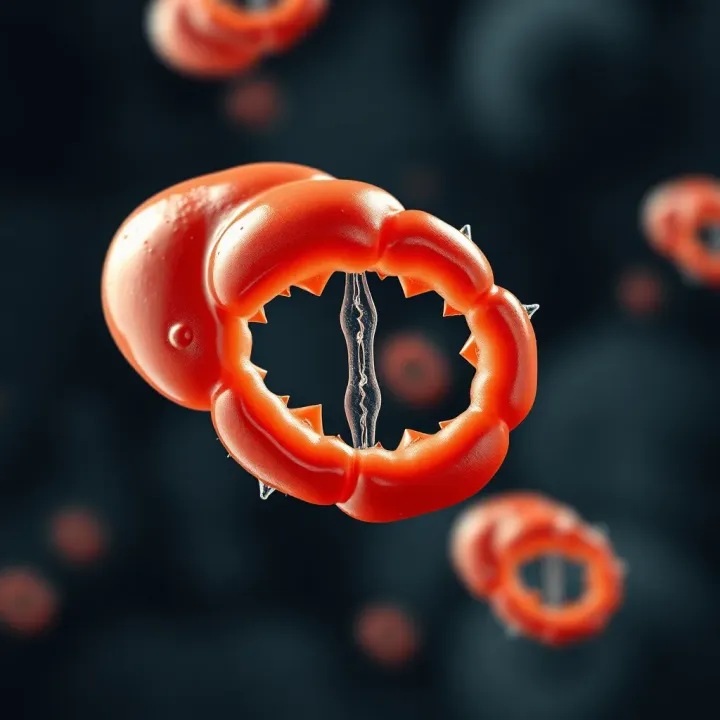
Their transparency and ease of observation under microscopes allow researchers to witness cell division firsthand, providing clear insights into how binary fission unfolds step-by-step in real time.
Amoebas depend on binary fission because it’s the fastest, most efficient way to reproduce given their simple structure and lack of sexual partners. Environmental demands like fluctuating food supplies mean amoebas must act quickly when conditions favor growth.
For instance, when a food source appears, an amoeba can double its numbers within hours through binary fission, outcompeting other organisms that reproduce more slowly. Plus, the straightforward nature of this process reduces the chance of errors or delays, keeping their population robust.
In short, binary fission gives amoebas a nimble and direct way to multiply and maintain their presence in diverse environments.
This foundational understanding sets the stage for exploring the detailed steps involved in their reproduction process and the broader biological importance it holds.
Understanding how binary fission unfolds in amoebas helps investors and entrepreneurs appreciate the speed and efficiency behind these organisms' rapid reproduction. This process translates into a straightforward biological lesson on replicating growth and sustainability, similar to scaling a profitable business. Here’s how it all works.
Cell growth and nutrient uptake: The first step involves the amoeba growing in size by absorbing nutrients from its environment. Think of this stage as a startup securing capital and resources before expanding. Without adequate nutrients, the amoeba lacks the energy to initiate division, much like how a business can’t grow without funding. This stage ensures the cell reaches a healthy size and has enough internal resources to support two separate entities.
Replication of genetic material: Before splitting, the amoeba duplicates its DNA, the blueprint for its functions and traits. This is crucial because each new cell needs a full set of instructions to operate independently. Imagine it as copying a business’s playbook before opening a second location. Any flaw in this replication could lead to problems down the line, so precision here is key for consistent offspring.
Nuclear changes during division: The nucleus, which houses the genetic material, undergoes significant changes such as condensing chromosomes to prepare for equal partitioning. This controlled activity is like a company organizing its departments structurally before spinning off a division. Accurate nuclear division ensures each daughter amoeba inherits all the necessary genetic material to survive and function.
Importance of equal DNA distribution: Splitting DNA evenly between the two new cells avoids genetic disparities that might affect their survival or behavior. It's similar to ensuring each branch of a franchise gets equal support and resources. This balance is vital for maintaining population stability and avoiding defects in the line of amoebas.
Formation of cleavage furrow: Following nuclear division, the cell membrane starts to pinch in the middle, forming a cleavage furrow that deepens until the cell pinches into two. Picture this as drawing a clear line where the company will legally split its operations. This step marks the physical separation that will ultimately distinctify two individual cells.
Creation of two independent cells: Finally, the cytoplasm divides completely, giving rise to two independent amoebas, each ready to absorb nutrients and replicate. This can be likened to spinning off a new company that can act entirely on its own. Both cells start a new life cycle but carry the full capacity and blueprint inherited from their parent.
The bottom line is, the binary fission process in amoebas not only shows biological efficiency but also reflects practical strategies of growth, division, and replication seen in successful enterprises. Understanding this helps clarify how simple organisms manage their survival with minimal complexity yet high effectiveness.
Binary fission is fundamental for amoebas, especially when we consider how it impacts their survival and population dynamics. This straightforward method of reproduction lets a single amoeba double its numbers quickly, which offers a competitive edge in environments where resources and space can change fast.
Binary fission enables amoebas to multiply at a fast pace, often doubling their population in a matter of hours under ideal conditions. For instance, in nutrient-rich pond water, an amoeba colony can explode in size overnight. This rapid reproduction helps them quickly occupy available niches and outcompete other microorganisms. To investors or entrepreneurs focusing on biotech or environmental analytics, this quick scaling is a reminder of how microbial populations can dramatically affect ecosystems or bio-reactor outputs.
While binary fission clones the parent cell, it also allows amoebas to tweak their survival tactics during stressful conditions. If resources shrink or toxins appear, the speed of reproduction helps the population maintain enough members to endure until conditions improve. This adaptability hints why amoebas can be found in diverse habitats, from freshwater to soil. This resilience can equate to stability in biotechnological applications, where microbial consistency is desired despite changing inputs.
Binary fission creates genetically identical twins, giving a precise copy of the amoeba’s DNA to each new cell. This cloning keeps successful traits intact across generations, ensuring stability in a population’s genetic makeup over short periods. For fields like genetic research or pharmaceuticals, this predictability means controlled experiments can use amoebas as reliable models.
Even though binary fission copies DNA directly, mutations do happen occasionally. These rare genetic changes can introduce slight variations in offspring, which over time, may help amoeba populations adapt to new challenges. Consider them like small tweaks in a trading algorithm that might boost performance under new market conditions. This evolutionary potential ensures that even with cloning, amoebas can evolve and survive longer term in shifting environments.
The bottom line is, binary fission balances stability and change — supporting quick population growth while still allowing for evolutionary adaptations that help amoebas thrive.
By understanding these biological benefits, entrepreneurs and analysts can better appreciate how simple processes drive both resilience and expansion in microscopic life, offering insights relevant to broader ecological or industrial systems.
Understanding how binary fission stacks up against other reproductive methods helps clarify why amoebas rely on it so heavily. Each method has its strengths and limitations, influencing things like survival, adaptation, and speed of population growth. For investors or analysts curious about biological efficiency, this comparison offers practical insights into how simple organisms optimize reproduction.
Advantages and disadvantages: Binary fission is straightforward and fast. Since one amoeba splits into two identical cells, populations can grow quickly without needing a mate or complex processes. This is advantageous in stable environments where rapid expansion is key. However, the downside is a lack of genetic diversity. Without the mixing of genes seen in sexual reproduction, amoebas are more vulnerable to sudden environmental changes or diseases.
Sexual reproduction, by contrast, combines genetic material from two parents, which increases variation and allows for better adaptation over generations. Yet, it takes more time, energy, and cooperation, making it less practical for single-celled organisms like amoebas that need to respond quickly to resource availability.
Complexity of processes: Binary fission is relatively simple—the cell copies its DNA and splits. There’s no need for finding a mate or specialized cells, which keeps energy use low.
Sexual reproduction, however, involves complicated steps like meiosis, gamete formation, and fertilization. These processes require more cellular machinery and time, which can slow population growth. For protists and simple organisms, this complexity usually outweighs the benefits unless environmental pressures strongly favor genetic diversity.
Multiple fission: Some protists undergo multiple fission, where the nucleus divides several times before the cell splits into many new individuals at once. This method accelerates population growth even more than binary fission. For example, the malaria parasite Plasmodium uses multiple fission to produce thousands of offspring quickly inside a host. This explosion in numbers helps the parasite establish infection rapidly but requires more energy and coordination within the cell.
Budding and fragmentation: Budding is when a new organism grows out from a parent and eventually detaches, like in Hydra. Fragmentation happens when a piece of the parent breaks off and becomes a new individual. Both methods allow reproduction without mixing genetic material, preserving traits exactly. While slower than multiple fission in producing offspring, budding and fragmentation can let organisms regenerate or recover from injuries, providing a survival edge in some environments.
The bottom line is that binary fission balances speed and simplicity, making it ideal for amoebas. Other methods bring trade-offs in complexity, genetic diversity, or growth rate that fit different survival strategies.
Understanding these differences provides a clearer picture of why amoebas copy themselves this way and how nature tailors reproduction to specific needs.
📚 Learn how binary search works! Explore its steps, uses, and why it’s a smart choice for quickly finding items in sorted data 📊🔍

Learn how addition works in binary numbers 🔢 with clear steps, practical examples, and links to digital electronics 💻 and computer operations. Troubleshoot common issues easily!
Discover how bacteria reproduce via binary fission 🦠. Learn about the stages, factors, and its role in growth and population control 🔬.
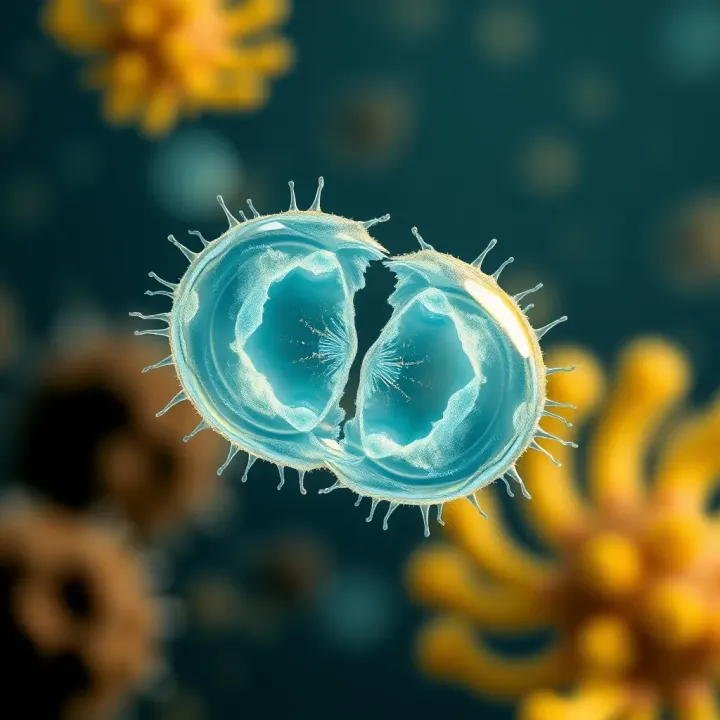
Explore how amoebae grow through binary fission 🦠. Understand each step of this simple asexual process, its survival role, and how it differs from other reproduction methods.
Based on 13 reviews