

How to Trade Crypto in Nigeria: A Simple Guide
Learn how to start crypto trading for Nigerians 🇳🇬 with easy steps on wallets, platforms, trading tactics, risk control & tackling naira fluctuations 💹🔋
Edited By
Isabella Hughes
Juli Gold cooking oil is one of the leading brands in Nigeria, widely favored for its quality and competitive pricing. Understanding its price trends requires looking at several key factors.
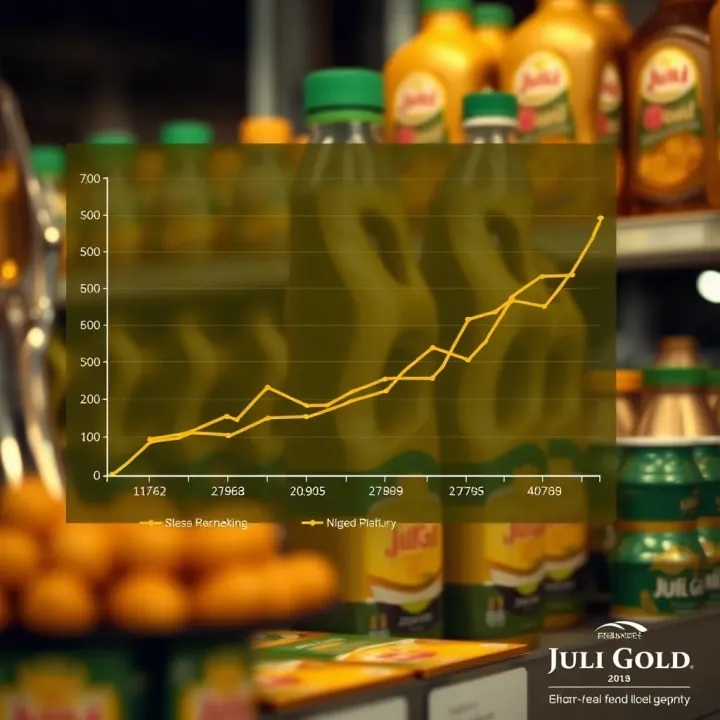
Prices for Juli Gold oil in Nigeria usually fluctuate based on these main elements:
Raw material costs: The price of soybeans or palm oil, which Juli Gold depends on, directly impacts the final cost. For example, when international soybean prices rise, costs trickle down to consumers.
Exchange rates: Since Nigeria imports some raw materials and packaging products, a weaker naira tends to push prices higher.
Transport and logistics: Fuel price hikes or road conditions can increase costs, especially when delivering to remote states.
Government policies: Tariffs, import duties, and local agricultural subsidies can either cushion or inflate prices.
Prices aren’t uniform across Nigeria. For instance, Juli Gold oil might be priced lower in Lagos or Abuja due to better supply chains and higher competition. Meanwhile, remote northern or eastern regions could face 5-10% higher costs because of transport delays or scarcity.
Comparing Juli Gold oil with brands like Gold Nile, Grand Oil, or Mama’s Pride reveals that Juli Gold often holds a middle-ground pricing spot. It balances affordability with quality — a selling point that keeps consumers loyal even when cheaper alternatives pop up.
Understanding these factors helps investors and traders predict price movements and spot market opportunities.
Monitor commodity markets and forex rates regularly, as these often signal upcoming price changes.
Watch for government policy updates that might affect import duties or subsidies.
Compare supermarket prices against local markets; bulk purchases or promotions can save money.
Be aware of counterfeit products in the market—stick to authorized dealers for authentic Juli Gold oil.
By keeping an eye on these tangible points, financial analysts and entrepreneurs can make smarter decisions about when to enter or exit the market.
Understanding Juli Gold cooking oil's place in Nigeria's market is key for traders, investors, and entrepreneurs interested in the edible oils sector. This overview breaks down the brand's history, its market presence, and what range of products it offers, providing clarity on why it matters financially and commercially.
Juli Gold cooking oil is a significant player in Nigeria's edible oil market, backed by a strong distribution network that reaches both urban and rural areas. Since entering the Nigerian food industry, Juli Gold has grown steadily by focusing on affordability and accessibility, which helped it capture a wide demographic. For example, its presence in popular retail chains like Shoprite and local markets alike shows its broad consumer base. Knowing the brand's history helps investors assess its stability and potential growth in the evolving Nigerian market.
Juli Gold offers a versatile product lineup, catering to different segments of consumers. Its packaging spans from small sachets, perfect for low-income buyers or single meals, to larger 3-liter bottles suited for families or small businesses. This variety allows Juli Gold to stay competitive across income levels and buyer needs. For traders, recognizing the packaging diversity is crucial since it influences inventory decisions and pricing strategies. For instance, the sachets might have a lower profit margin but higher turnover, while bigger bottles yield better margins but sell slower.
Knowing the product range and market presence of Juli Gold oil equips investors and business owners to make informed decisions on stocking, marketing, and competitor comparison. It’s not just about the oil itself but how the brand positions and packages it that affects its pricing and appeal in Nigeria.
This snapshot serves as a foundation for deeper analysis of pricing trends and consumer behavior discussed in later sections.
Tracking the current pricing trends for Juli Gold cooking oil offers valuable insights for traders, investors, and brokers aiming to navigate Nigeria’s complex market. Knowing how prices fluctuate helps anticipate market movements and make smarter purchasing or selling decisions. Due to the competitive nature of the edible oils market in Nigeria, even minor price shifts in Juli Gold oil can influence broader trading strategies and profit margins.
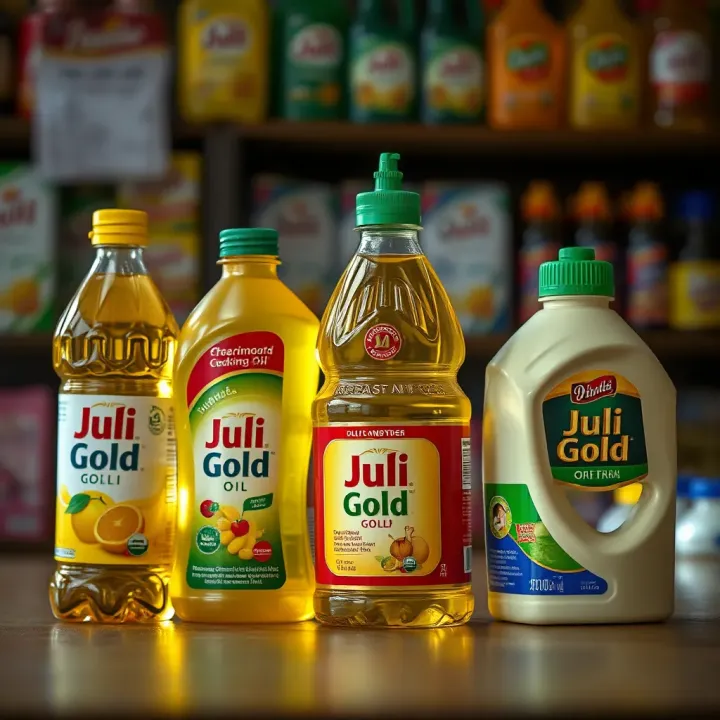
In cities like Lagos, Abuja, and Port Harcourt, the average cost for a 5-liter bottle of Juli Gold oil currently ranges between $12 and $15. Lagos, being a major commercial hub with large-scale distribution networks, tends to have slightly lower prices compared to Abuja, where transportation costs are higher. Meanwhile, Port Harcourt prices often reflect regional supply conditions, sometimes causing small spikes during import delays.
This price range serves as a baseline for market players to compare supplier offers or identify arbitrage opportunities. For example, a trader buying in Lagos and selling in a neighboring lower-supply state might capitalize on a price difference of a few dollars per unit.
Supply chain bottlenecks have a direct impact on Juli Gold oil pricing. Disruptions like port congestion, limited trucking capacity, or warehouse shortages can restrict oil availability, pushing prices upward. In 2023, an unexpected fuel scarcity in Nigeria delayed deliveries significantly, forcing retailers to increase prices temporarily. Such disruptions reveal the fragility of the supply chain and highlight the importance of flexible logistics strategies.
Furthermore, delays in raw material imports, especially palm oil or soybean oil essential for production, translate into production slowdowns and squeezed supply, thus making prices climb. Traders closely monitor port operations and trucking capacity reports to forecast these impacts.
Nigeria’s inflation rate, hovering around 17% recently, erodes purchasing power and inflates operational costs, which inevitably reflects on Juli Gold oil prices. Inflation raises costs for packaging materials, labor, and transportation, forcing manufacturers and distributors to adjust pricing.
Equally crucial is the Nigerian Naira’s volatility against the US dollar. Since many raw materials and finished goods depend on imports priced in USD, a devaluation of the Naira directly increases cost input. For example, when the Naira weakened by 10% last year, oil prices experienced a corresponding rise, affecting consumers and traders alike.
Demand swings also sway July Gold oil pricing. Nigerian consumers tend to buy more cooking oil during festive seasons like Christmas and Eid, which can push prices higher temporarily. On the flip side, low consumption periods, such as right after the holidays, might lead to price dips as sellers clear inventory.
Additionally, local farming cycles influence demand for edible oils. During harvest times, there's often more cooking oil usage in rural areas, and distribution rebalances between urban and agricultural zones can shift prices regionally. Traders keep an eye on these seasonal patterns to time their purchases or sales for better margins.
Understanding the mix of supply chain dynamics, economic factors, and seasonal demand is key for anyone involved in the Juli Gold oil market. Staying ahead of these trends allows you to anticipate price movements and make informed decisions in the Nigerian edible oil trade.
Understanding regional price differences for Juli Gold cooking oil is key for anyone involved in trading or investing in Nigeria's consumer goods market. Prices don’t just vary randomly—they reflect real factors like geography, infrastructure, and local demand patterns. Exploring these gaps helps traders anticipate market shifts and plan supply routes more efficiently.
Juli Gold oil generally costs more in rural areas compared to big cities like Lagos or Abuja. Urban centers benefit from high-volume distribution networks and competition among retailers, driving prices down. Meanwhile, rural buyers often face limited supply and fewer sellers, which push prices upward. For example, a two-liter bottle might sell for around $3.50 in Lagos but fetch as much as $4.20 in remote villages around Borno State due to scarcity.
Such differences mean traders targeting rural markets need to factor in higher acquisition costs and smaller purchase volumes. At the same time, investors should consider that rural consumers might be more price-sensitive, affecting sales velocity. Knowing these patterns allows for smarter stock allocation and pricing strategies that balance profit and market penetration.
Transportation plays a big role in pricing Juli Gold oil. Nigeria's vast size and often challenging road conditions add costs that ripple through the supply chain. For instance, hauling cooking oil from Lagos to the northern regions like Kano can add several cents per bottle due to fuel use, tolls, and time delays.
Distribution infrastructure quality also matters. Urban areas typically have better ports, warehouses, and logistics providers, helping keep overheads lower. Rural routes, often involving unpaved roads and less frequent delivery schedules, increase expenses. These extra costs naturally get passed on to the consumer in the form of higher shelf prices.
Traders and investors should closely monitor transport efficiency and local logistics capabilities. Innovations in cold storage or last-mile delivery could shrink these costs, creating opportunities to undercut competitors in traditionally expensive regions.
In sum, regional price variations in Juli Gold oil aren’t just about raw supply and demand—they’re tightly linked to where and how the product moves within Nigeria. For anyone involved in this sector, grasping these nuances can mean the difference between landing strong contracts or falling behind in a fast-moving market.
When weighing your options in the cooking oil market, comparing Juli Gold oil to other available brands makes a lot of sense. It helps traders, investors, and entrepreneurs grasp where Juli Gold fits in price and quality, which is especially useful when managing costs or assessing market potential.
Juli Gold usually falls in the mid-range price segment compared to other popular cooking oils like Royal Stallion and SunGold. For example, in Lagos, a one-liter bottle of Juli Gold might cost around $2.50, whereas Royal Stallion can run closer to $2.80, and SunGold about $2.20. This price spread matters for businesses that depend on tight margins, such as restaurants or food vendors.
Bulk buyers should also consider package sizes. Juli Gold offers 5-liter containers which often yield better value per unit compared to smaller bottles. On the flip side, discount brands might undercut Juli Gold by 10-15%, but often at the cost of quality consistency, making Juli Gold a balanced choice for many buyers.
Quality remains a significant factor shaping consumer preference. Juli Gold is often praised for its consistent cooking performance and longer shelf life, which can make a difference in commercial kitchens where spoilage translates directly into losses.
Consumer feedback gathered from street markets and online reviews reveals Juli Gold's favorable taste profile and less greasy residue compared to some cheaper oils. Plus, its relatively light aroma and neutral taste make it versatile for both frying and baking.
For entrepreneurs and traders, prioritizing reliable quality like Juli Gold can reduce customer complaints and returns, indirectly improving brand loyalty and sales stability.
While premium brands boast organic and non-GMO labels, those products usually come with a steep price hike that might not justify the investment for all market segments. Juli Gold hits a sweet spot by balancing price, quality, and availability across Nigeria, which is why it often stands out in consumer preference studies.
In summary, comparing Juli Gold with other cooking oils reveals practical insights about pricing tiers and product quality that can inform smart purchasing and investment decisions within Nigeria’s competitive cooking oil sector.
Buying Juli Gold cooking oil smartly means getting the best value without compromising on quality. Given fluctuating prices and potential market challenges, it’s key to stay informed and conscious of where and how you purchase. Smart buying includes spotting authentic products, avoiding scams, and seeking the best deals, which ultimately safeguards your budget and ensures you get the cooking oil you expect.
Counterfeit cooking oil has become a concern in Nigeria, especially with popular brands like Juli Gold. To avoid fake products, always check packaging details carefully. Genuine Juli Gold bottles and sachets carry clear, sharp printing, consistent logos, and official labels with batch numbers and expiration dates. If the seal is broken or looks tampered with, it’s a red flag.
Another practical tip is to buy only from trusted retailers—licensed supermarkets or verified distributors. For example, purchasing Juli Gold oil from large chains like Shoprite or Spar reduces the risk of counterfeits compared to random street vendors. Consumers should also be wary of prices that seem too good to be true; extremely low prices often signal fake or substandard oil.
Finding discounts on Juli Gold oil requires a bit of strategy. Many supermarkets and wholesale markets offer sales during festive seasons like Christmas or Eid, so timing your purchase can save you money. For traders or bulk buyers, wholesalers in markets like Lagos's Mile 12 or Onitsha's Main Market often give discounts for large purchases.
Online platforms are another place to watch for deals. While delivery logistics can add cost, websites like Jumia or Konga sometimes run flash sales or bundle offers on groceries, including cooking oil. Still, verify product authenticity when buying online by reading reviews and checking seller ratings.
Bottom line: Always compare prices across multiple sellers and consider buying larger quantities during sales to maximize savings.
In addition, joining local community groups or WhatsApp channels dedicated to grocery deals can help you spot offers faster than general browsing.
Smart consumers stay alert to these buying tips to stretch their dollars further while ensuring the Juli Gold oil they use is both authentic and affordable.
Learn how to start crypto trading for Nigerians 🇳🇬 with easy steps on wallets, platforms, trading tactics, risk control & tackling naira fluctuations 💹🔋

📱 Discover top trading apps for Nigerian investors! Learn key features, compare platforms, and get tips for safe, smart trading choices. 💹🇳🇬

Discover the best binary trading apps for Nigerian traders 🇳🇬. Get insights on features, ease of use, payment options, and local financial fit. 📱💹

Discover forex trading tactics every Nigerian investor needs 📈. Learn to master market moves, risk tactics, and analysis that'll up your trading game.
Based on 13 reviews